
Sass de Putia Hike and Via Ferrata
Key facts about the hike
- Via ferrata difficulty
- A Via ferrata grades, from A (easy) to E (extremely difficult): my via ferrata scale
- Easy
- Duration
- 7h Estimated time, short breaks included (photos, water, snacks), picnic not included: how it is calculated
- Distance
- 17.4km
- Elevation gain
- 1,200m
- Hiking difficulty
- Hard
- Type of route
- Loop
- Maximum altitude
- 2,875 m
- Vertiginous Five levels, depending on how exposed the route is: the levels in detail
- Moderately
- Marked
- Yes
- Popularity
- High
- Start point
- 46.67487, 11.81427
- Activity
- Hiking and Via Ferrata
Hike overview
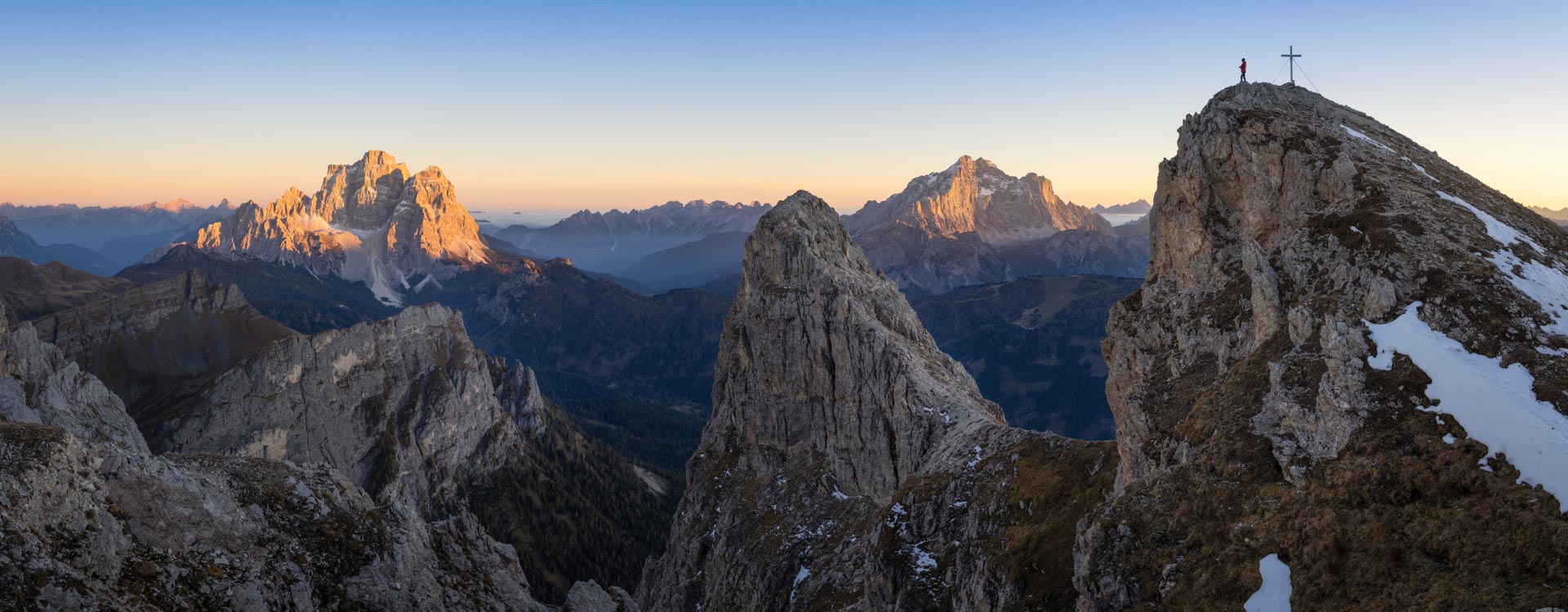
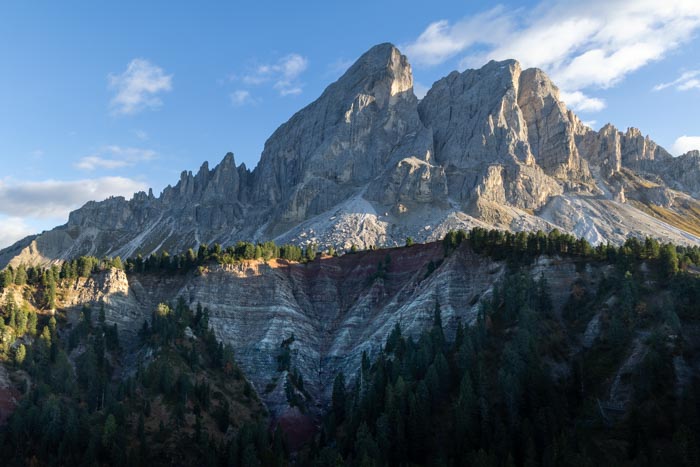
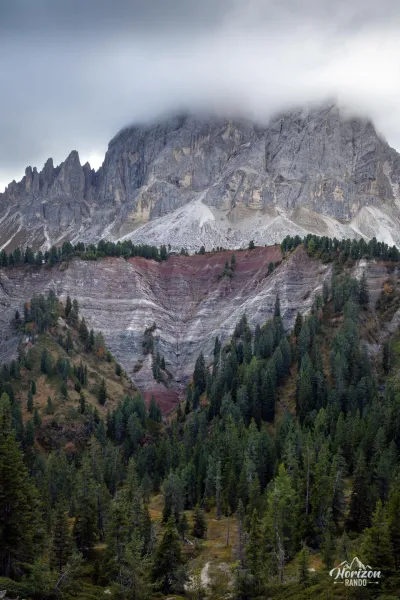
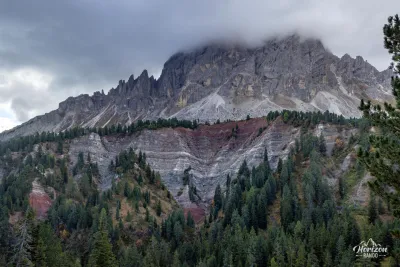
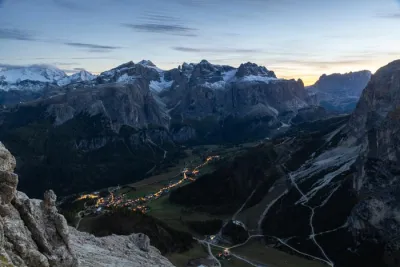
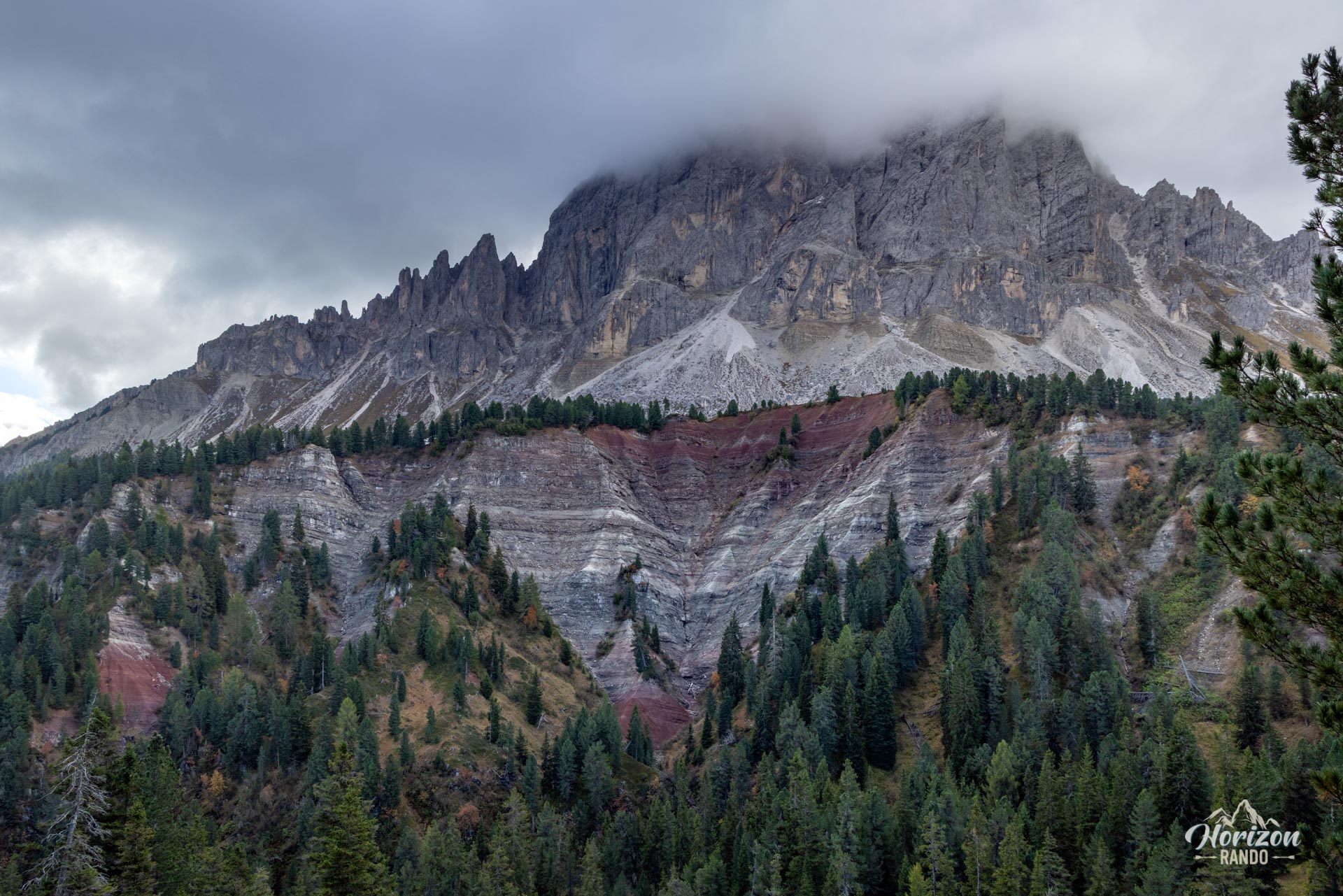
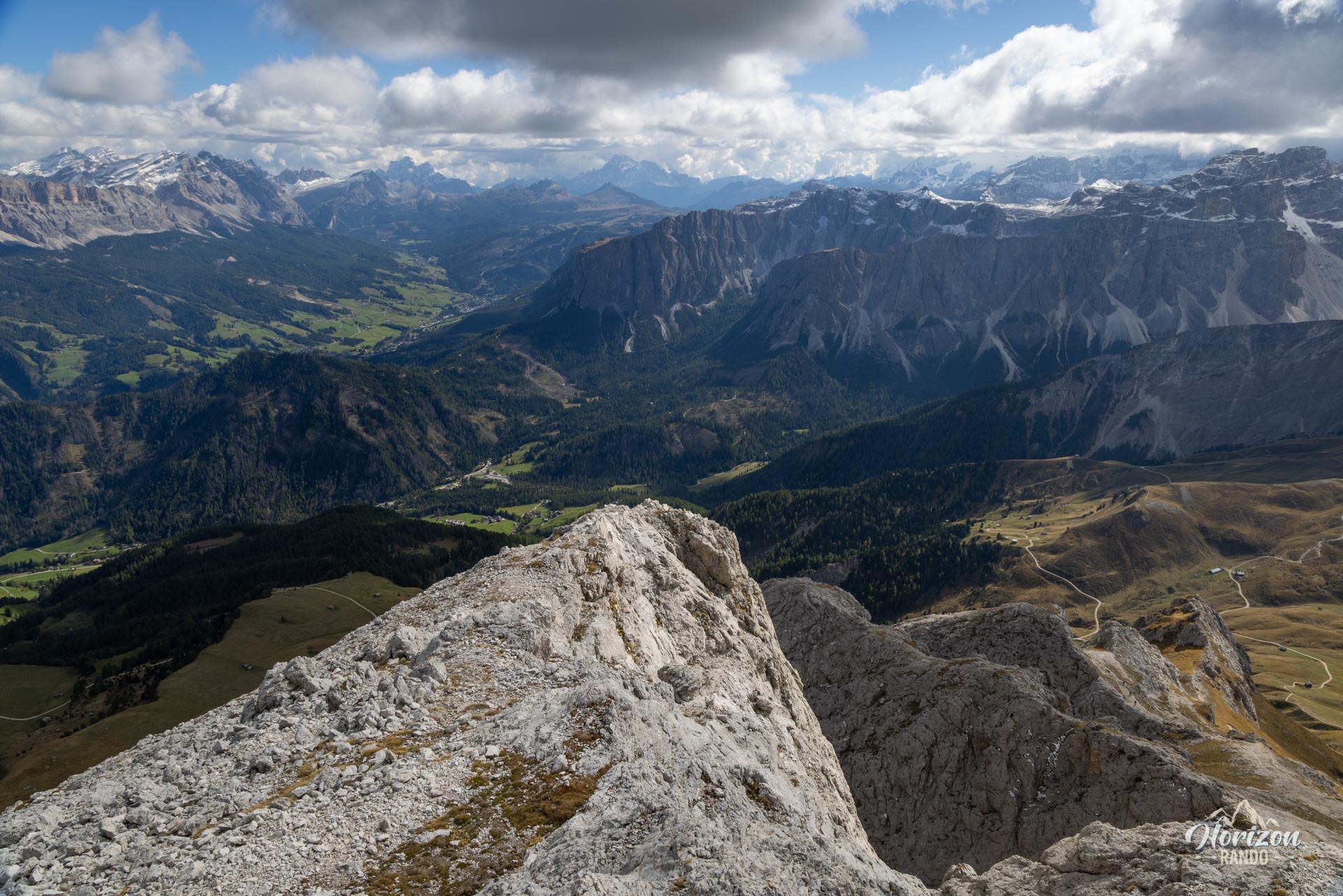
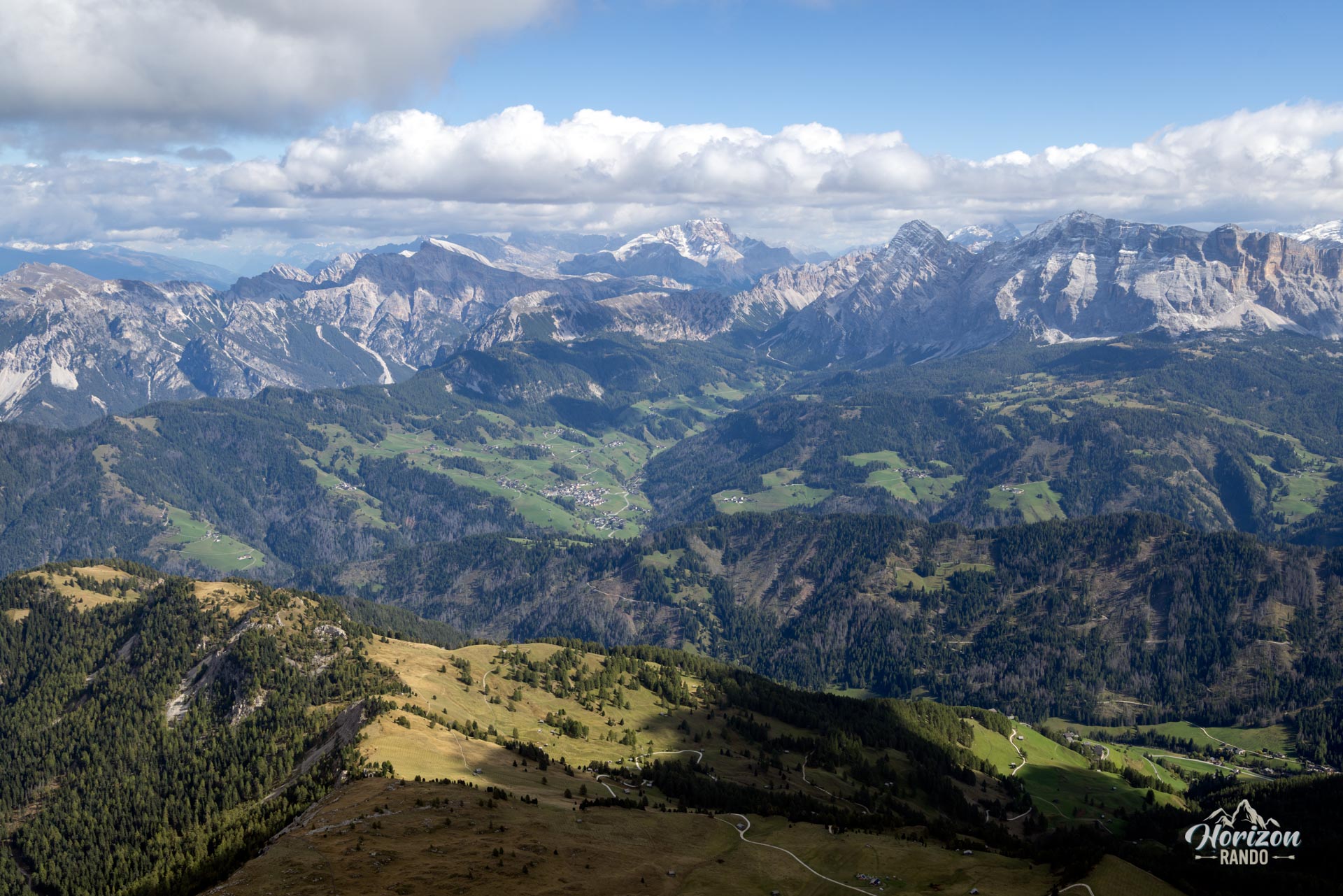
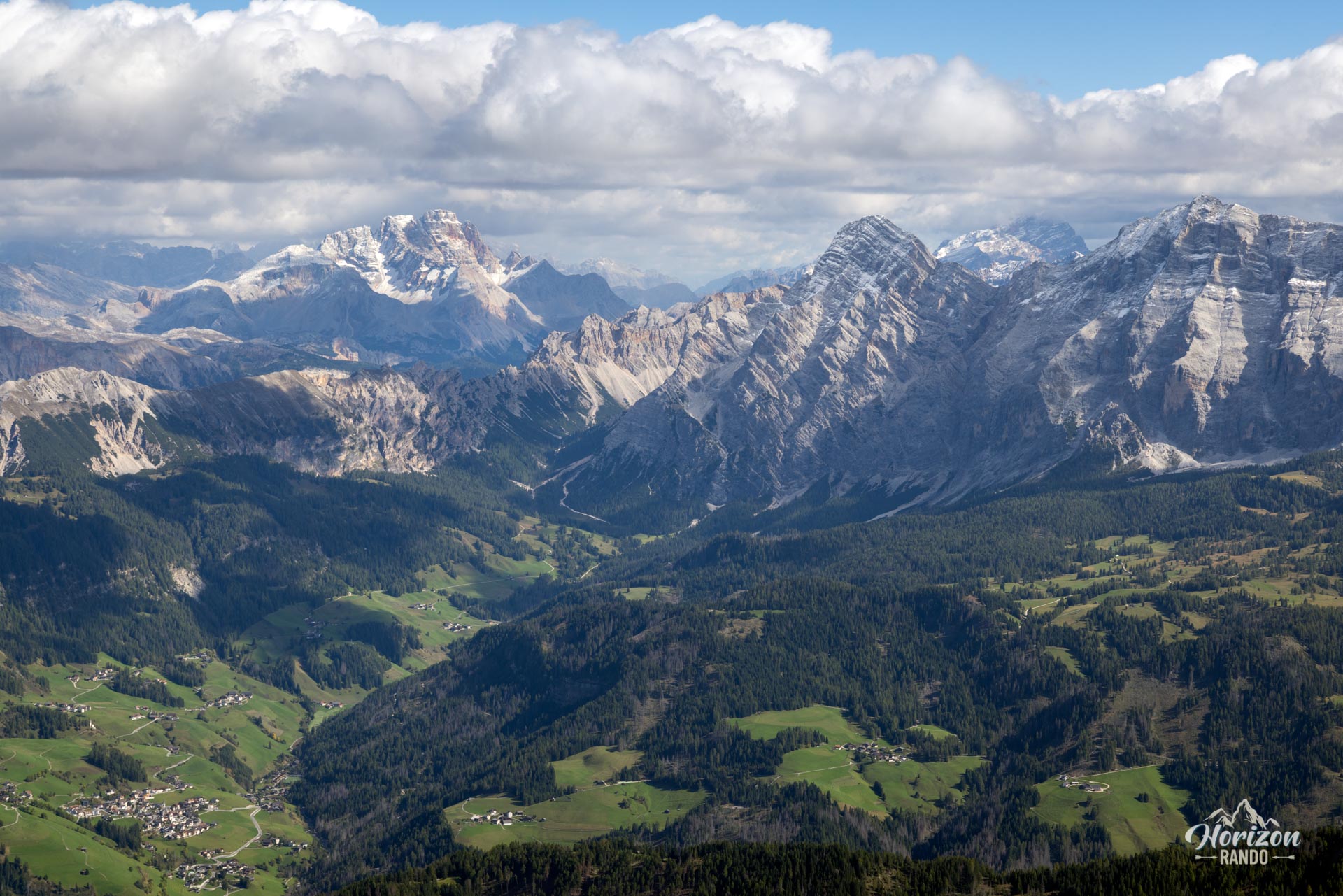
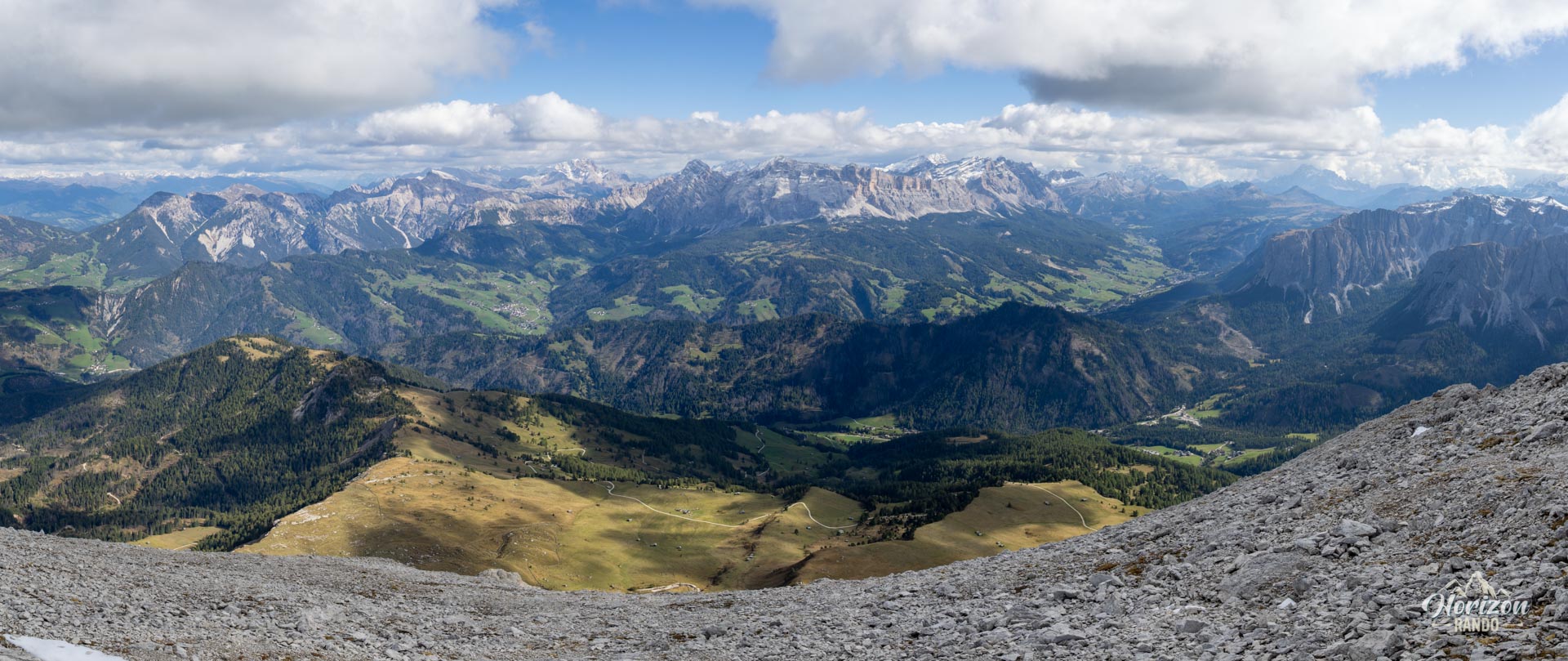
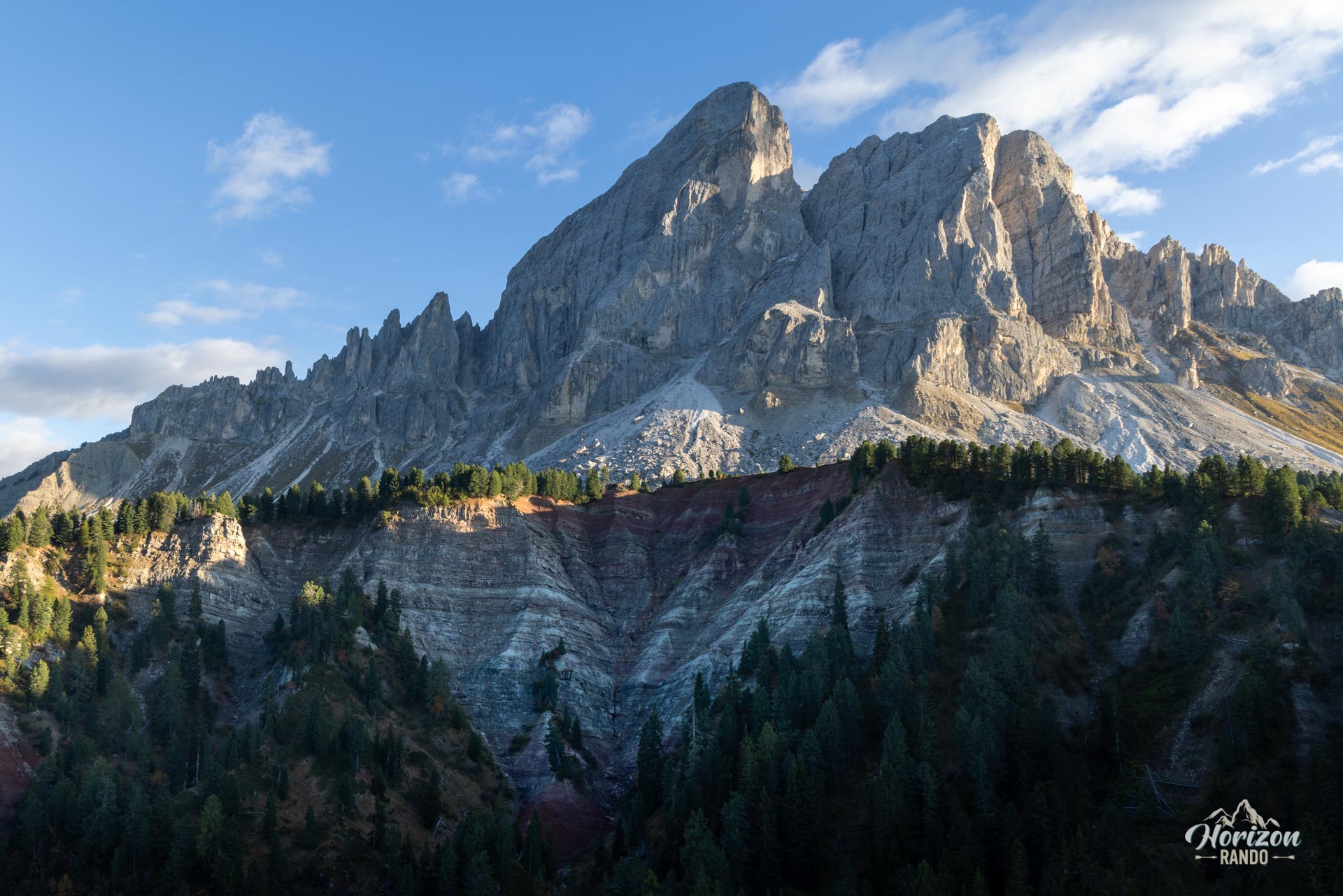
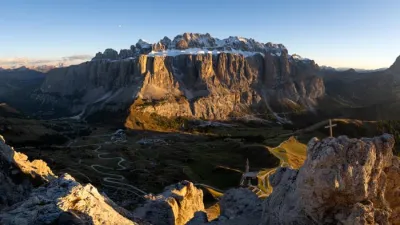
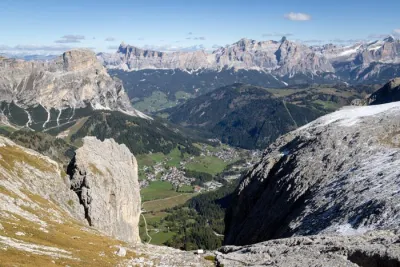
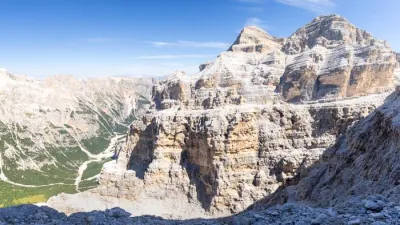
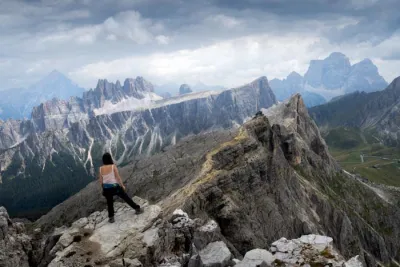
Sass de Putia (Peitlerkofel), an iconic peak in the Puez-Odle Nature Park, rises to 2,875 meters and stands out in isolation in the northern Dolomites. This route circumnavigates the entire mountain and ascends to the summit via an easy via ferrata. It offers a 360° panorama of the main massifs of the Northern Dolomites and the Austrian Alps.
The loop alone attracts many hikers during peak season, but the number of hikers drops significantly as you approach the summit.
Map and elevation profile of the hike
Sass de Putia Hike and Via Ferrata
Description and difficulties of the hike
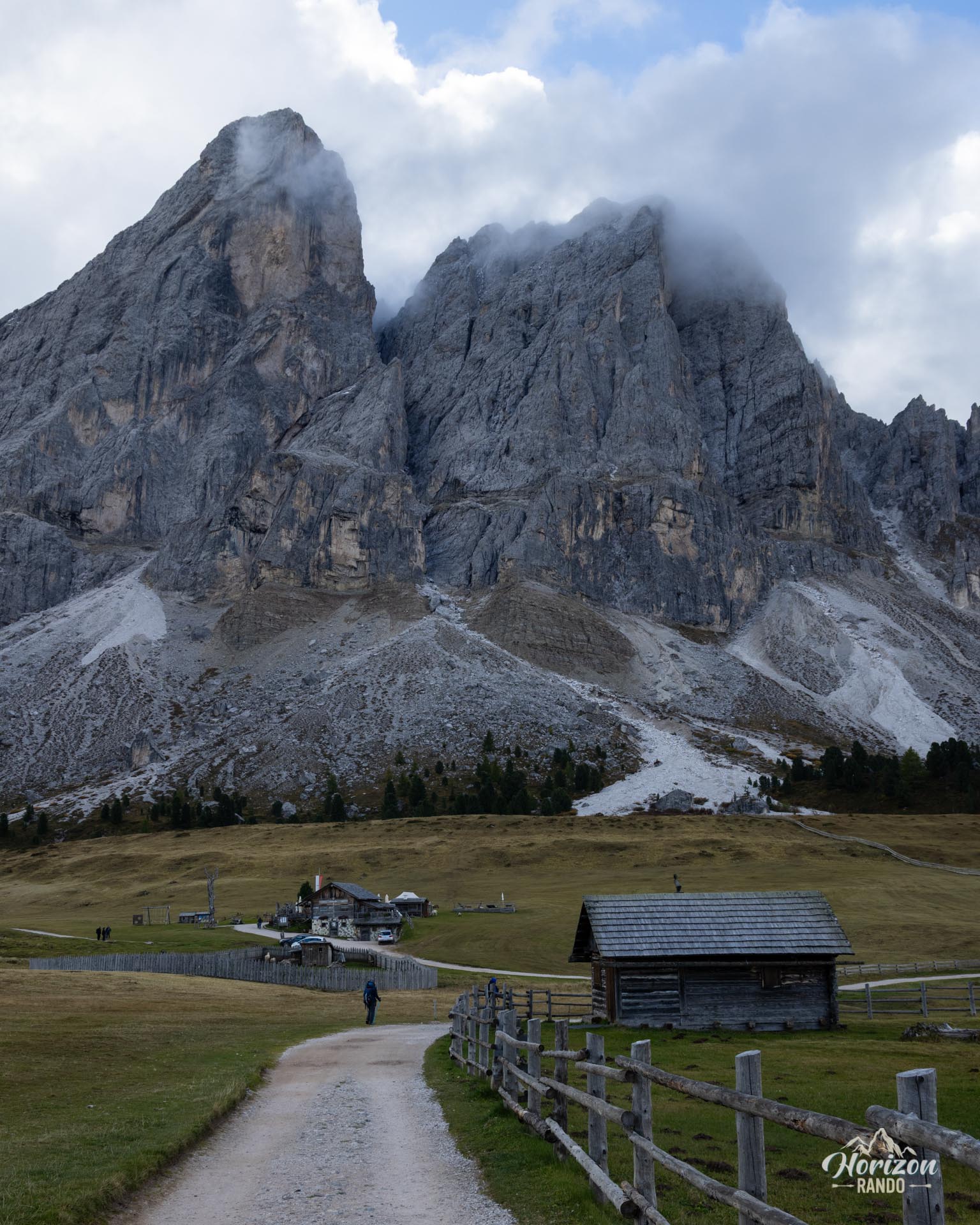
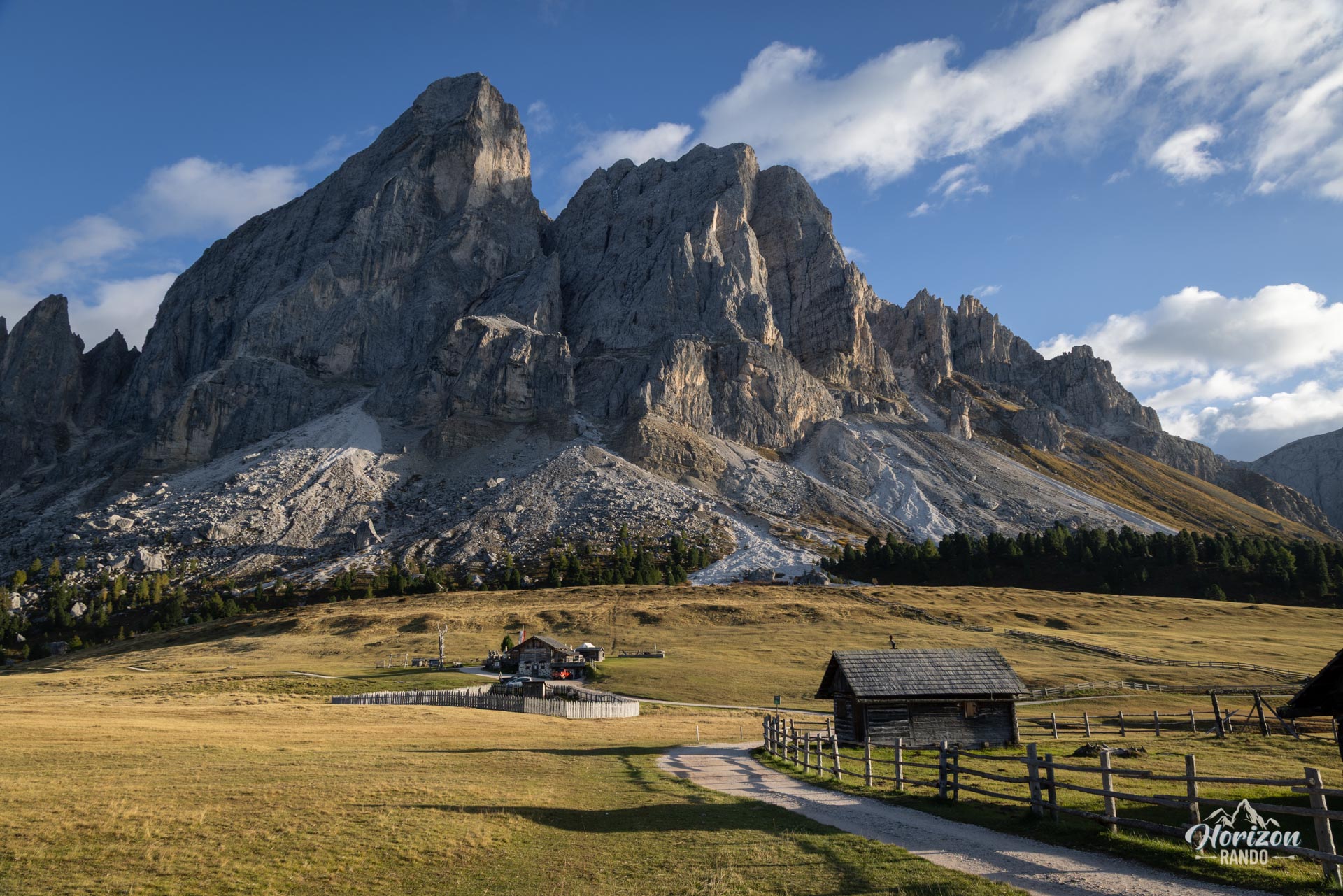
From the Passo delle Erbe trailhead (1,987 m), take the wide forest track heading north (Trail 8A). The trail crosses a pine forest and opens up fifteen minutes later onto vast alpine meadows dotted with wooden huts at the foot of the north face of Sass de Putia. This is where the loop splits. Turn right toward Forcella de Pütia to complete the loop counterclockwise. This allows you to tackle the main ascent with fresh legs.
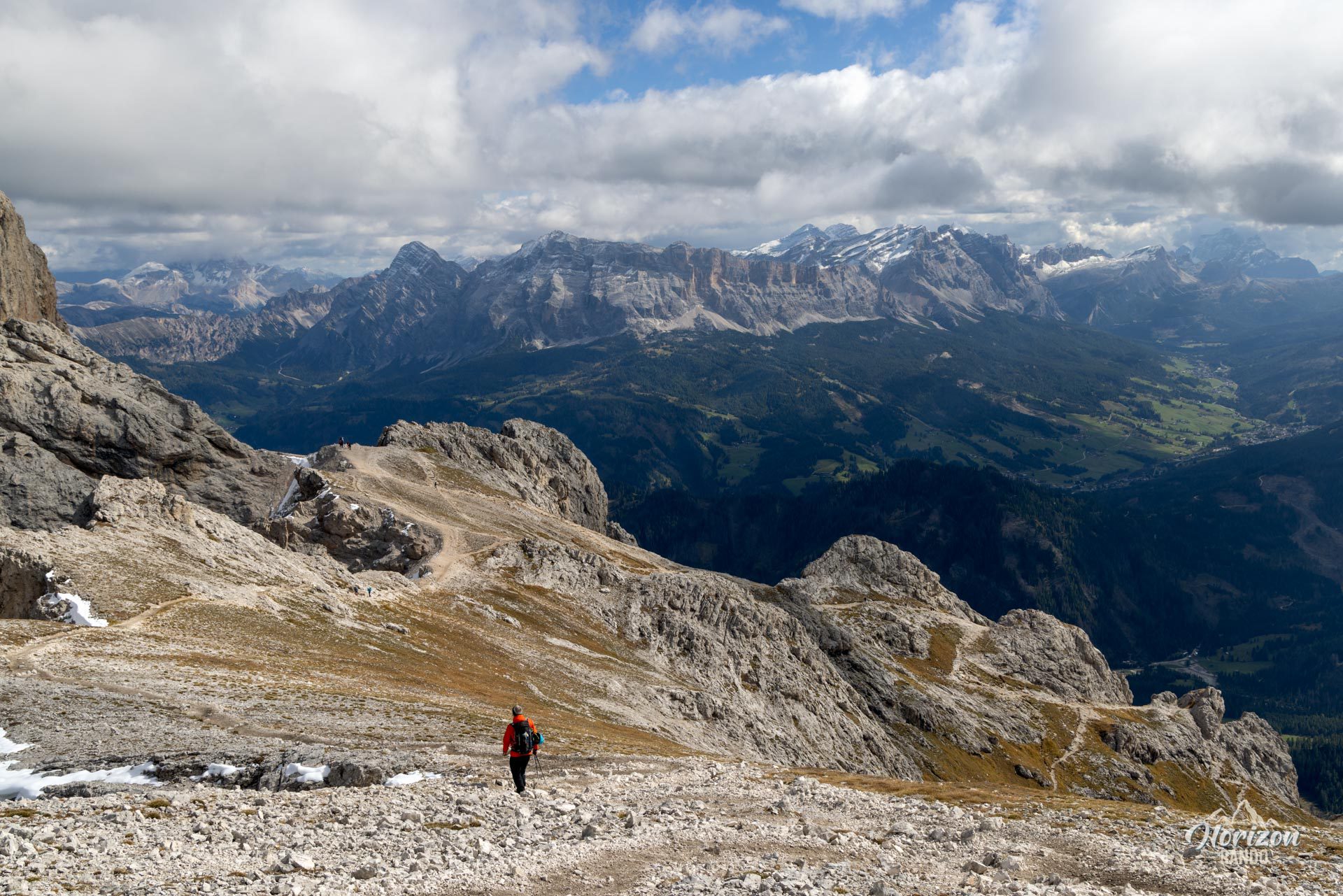
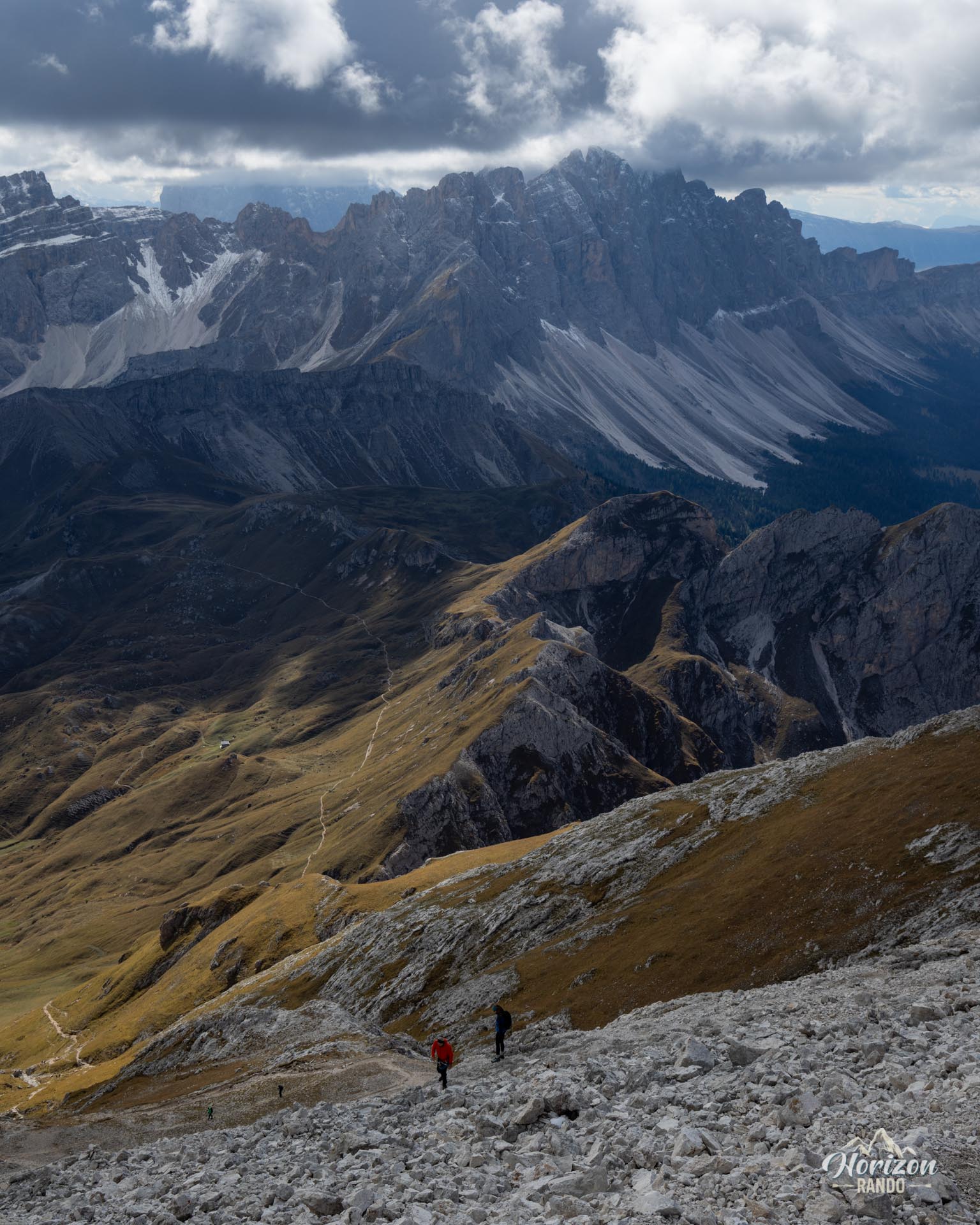
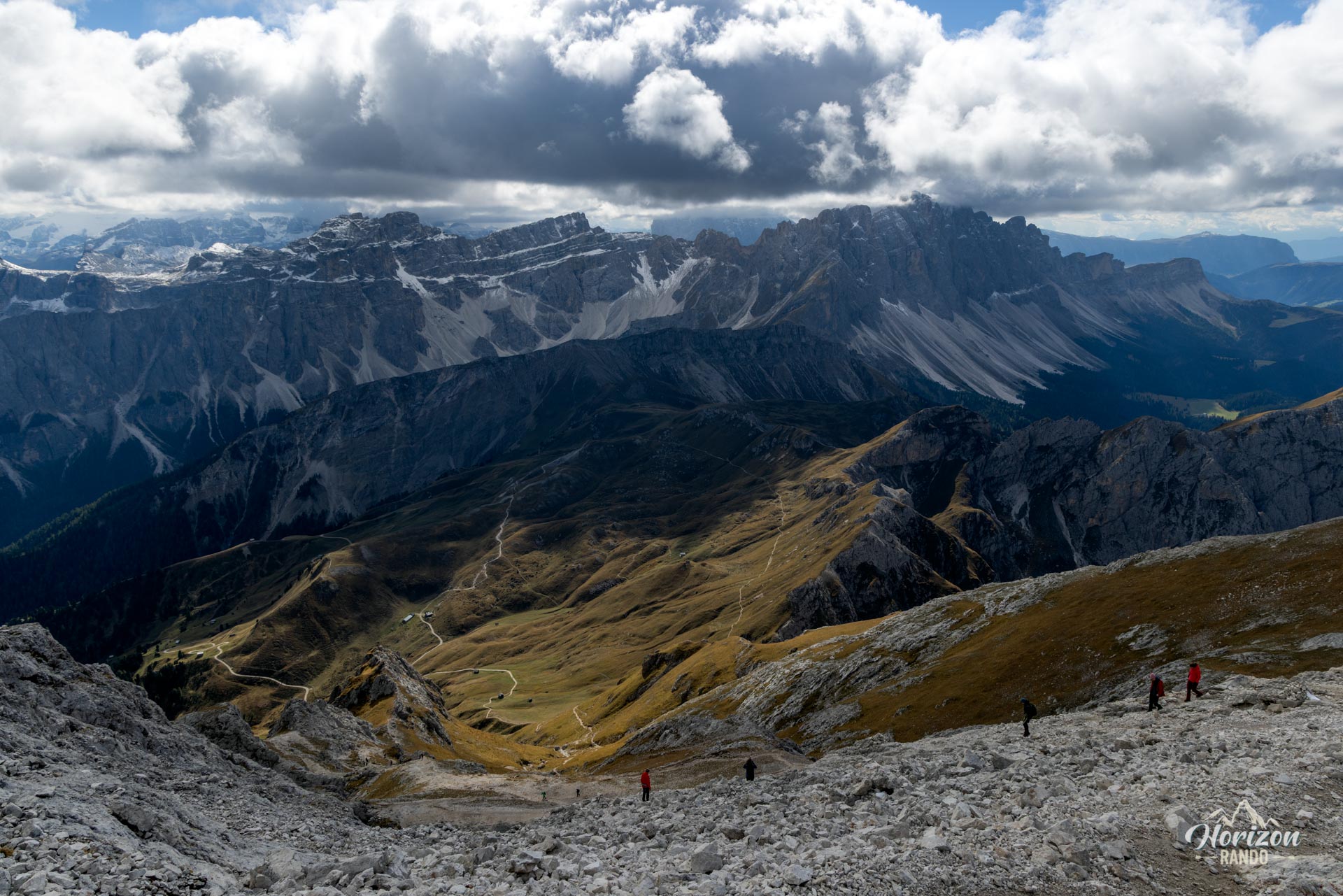
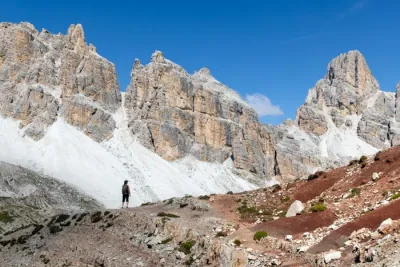
The trail contours the north face of Sass de Putia facing the Odle di Eores massif before ascending steeply in switchbacks through a wide scree gully (Trail No. 4). This is the first challenging section of the day: a 260-meter climb to Forcella de Pütia (2,357 m). At the pass, there are two routes: straight ahead, Trail No. 4B continues around Sass de Putia—this will be the return route—and to the left, the trail climbs toward the summit.
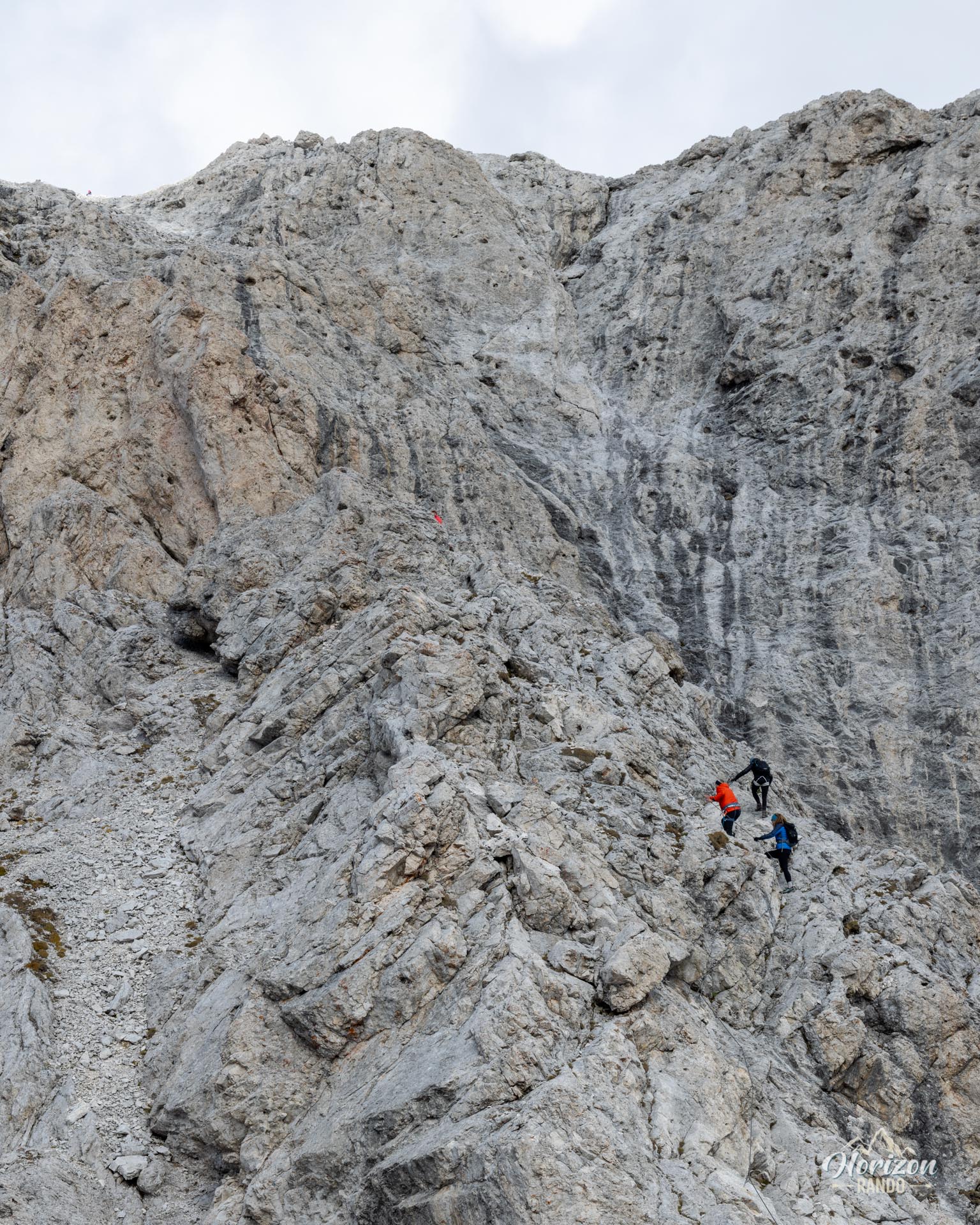
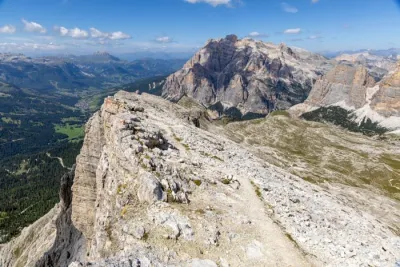
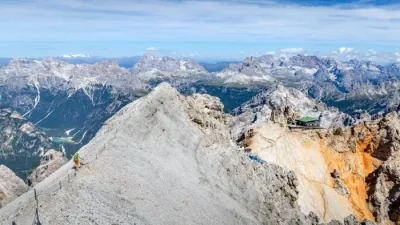
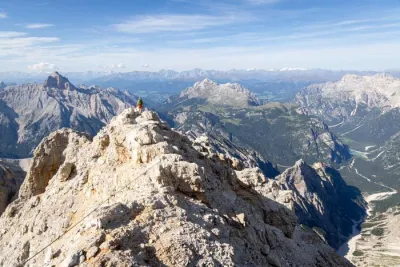
After an hour of steady progress along switchbacks, a fork appears, separating the two peaks of the massif. To the left is the Piccolo Sas de Putia (2,813 m), which is accessible without a cable. To the right is the Sass de Putia (2,875 m), which has a cable for the final 100 m of elevation gain. The via ferrata is very easy with no technical sections, and many hikers tackle it without a lanyard or harness, simply using the cable as a handline. Nevertheless, full gear is strongly recommended: it would be a shame to take even minimal risks when safety measures are available. After enjoying the wide-open views at the summit, return via the same route to Forcella de Pütia.
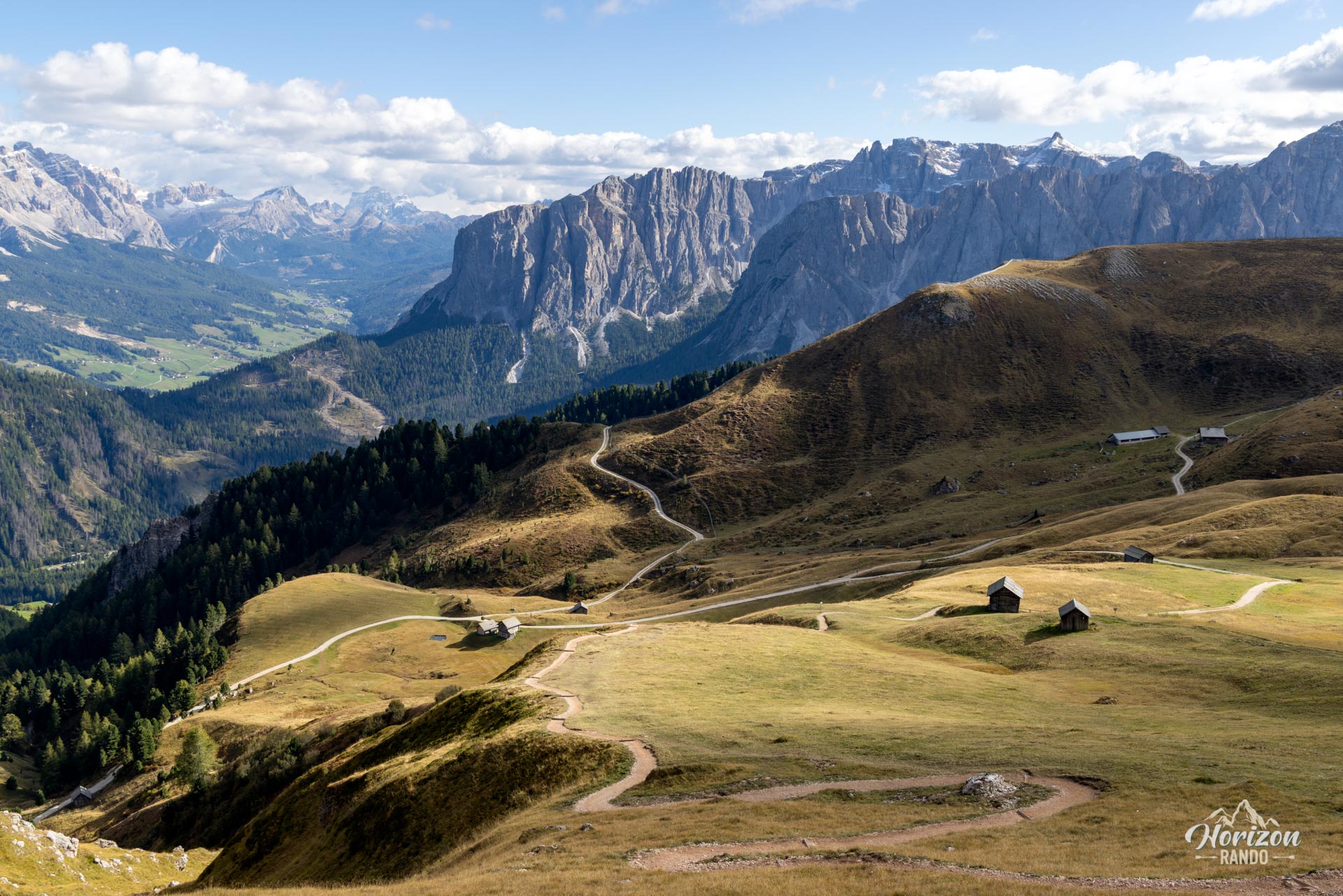
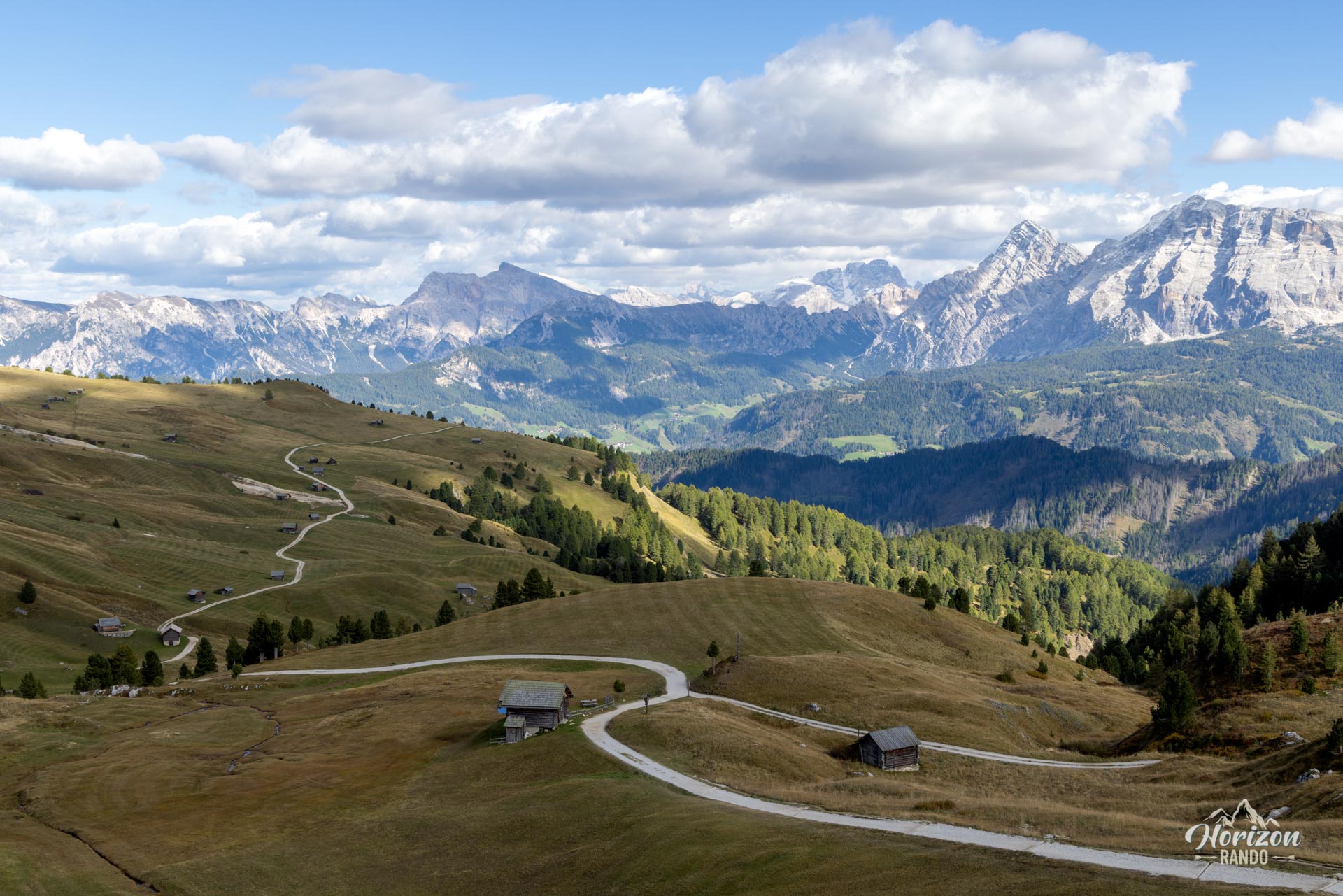
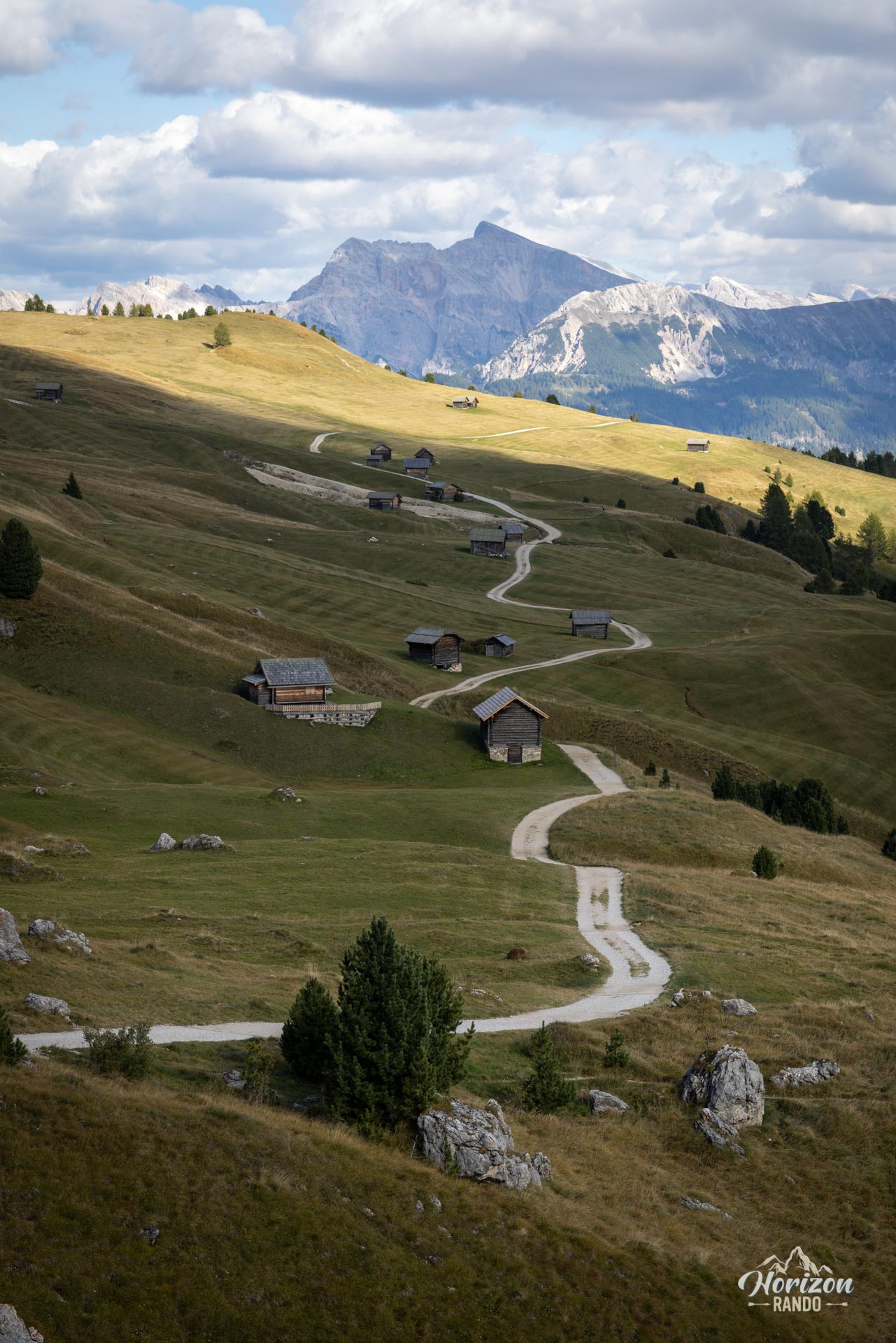
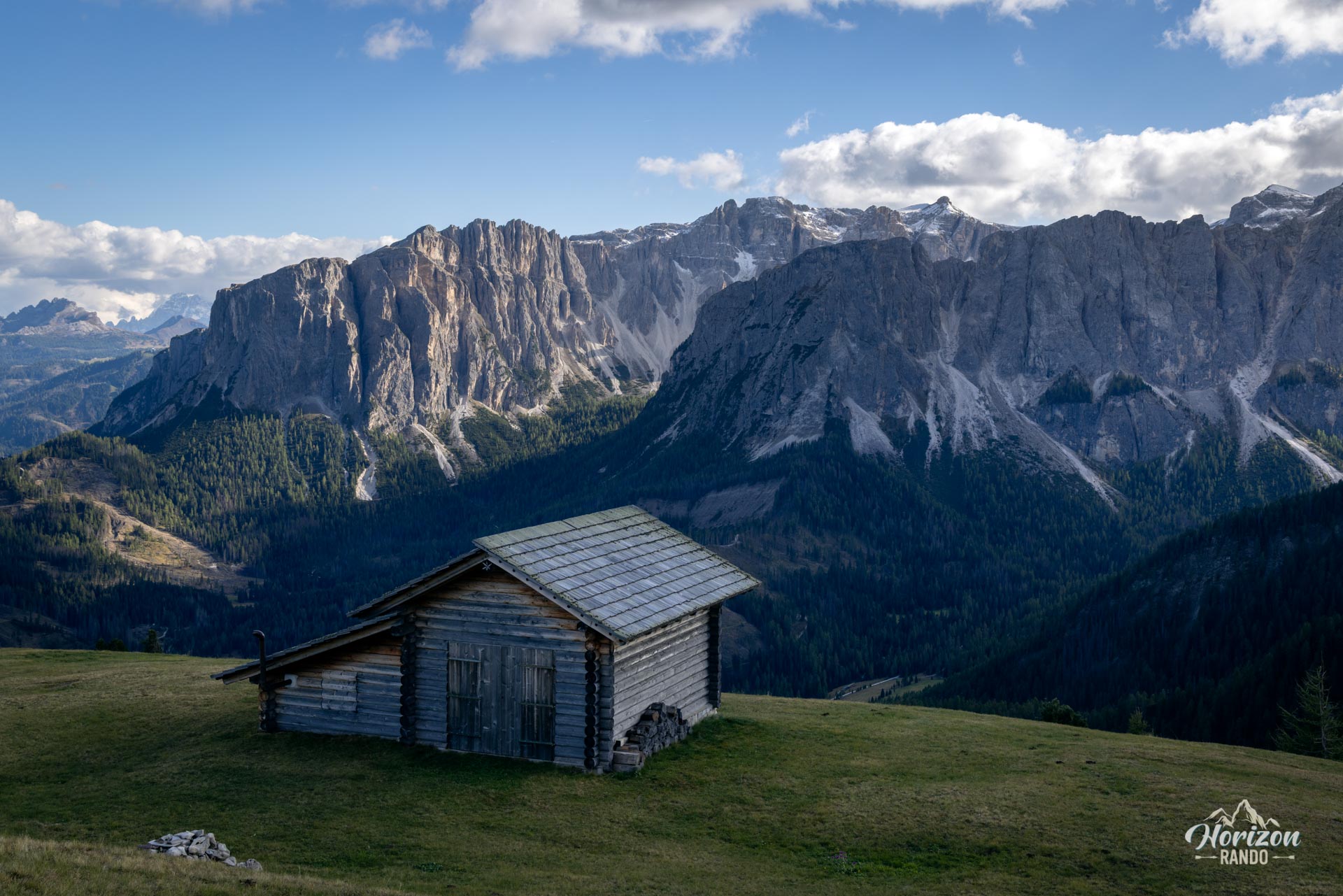
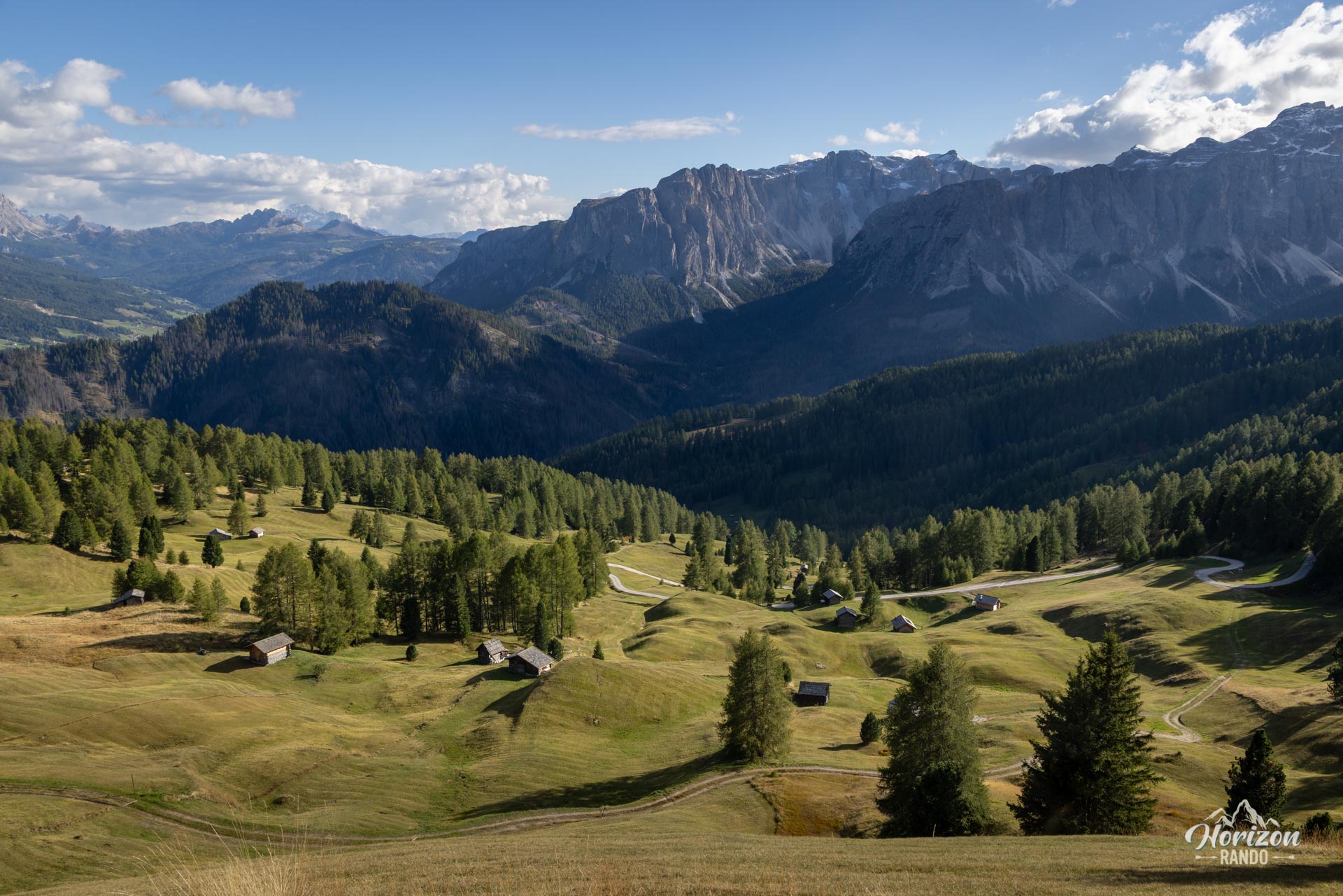
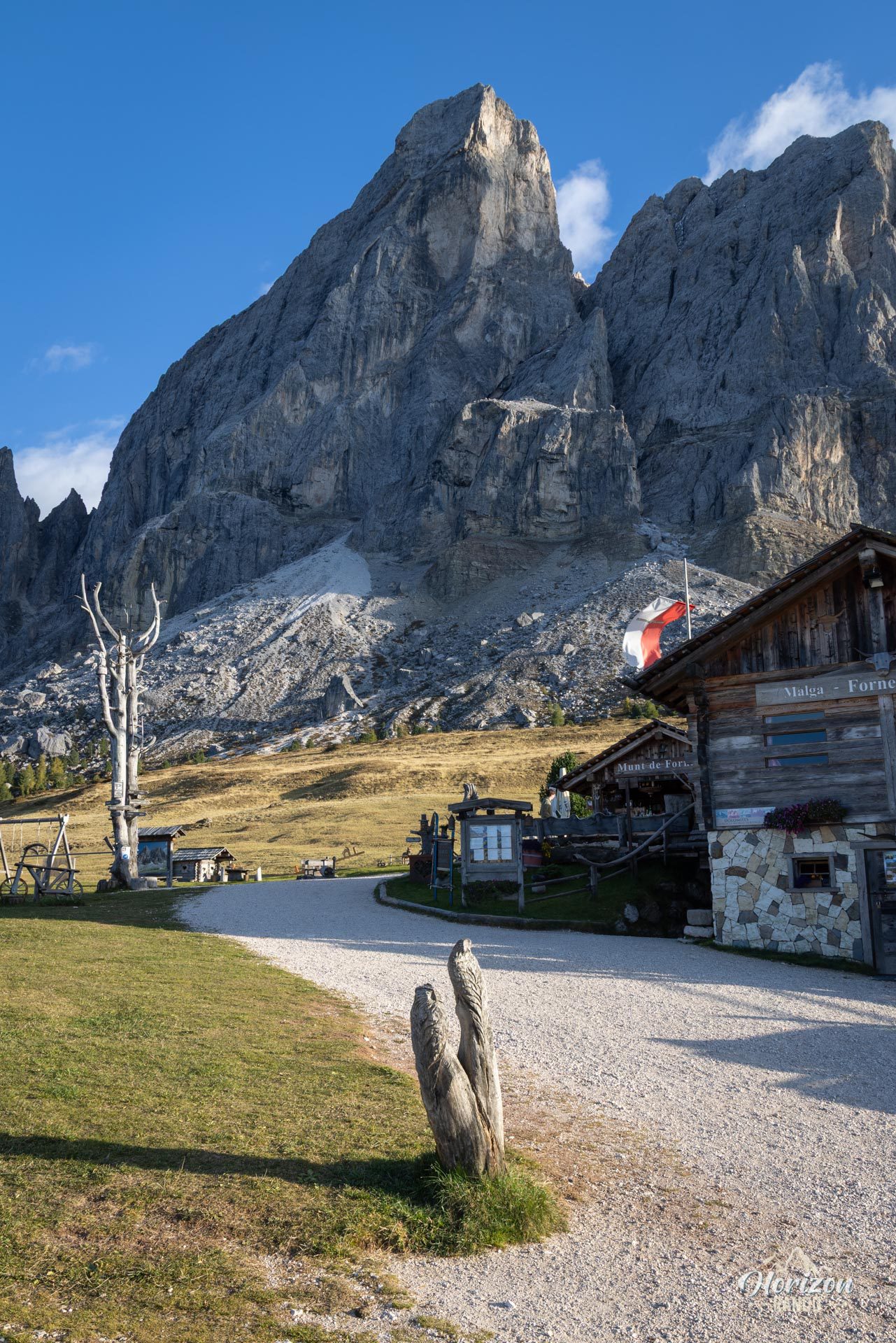
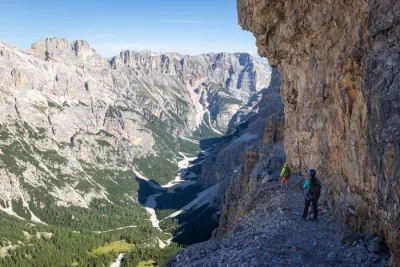
Then, descend via trails No. 4B and 35 through meadows and alpine pastures dotted with small log cabins. The peaks of the Puez and Fanes ranges serve as a backdrop. Finally, arrive at Passo Goma (2,109 m). From there, trail No. 8B descends gently through the forest to Ütia de Göma. It then climbs back up via Munt de Fornella and rejoins trail 8A, looping back to Passo delle Erbe.
The trail is well-marked throughout, and the terrain alternates between wide tracks and classic mountain paths. The only real challenge lies in the length and cumulative elevation gain.
What you'll love
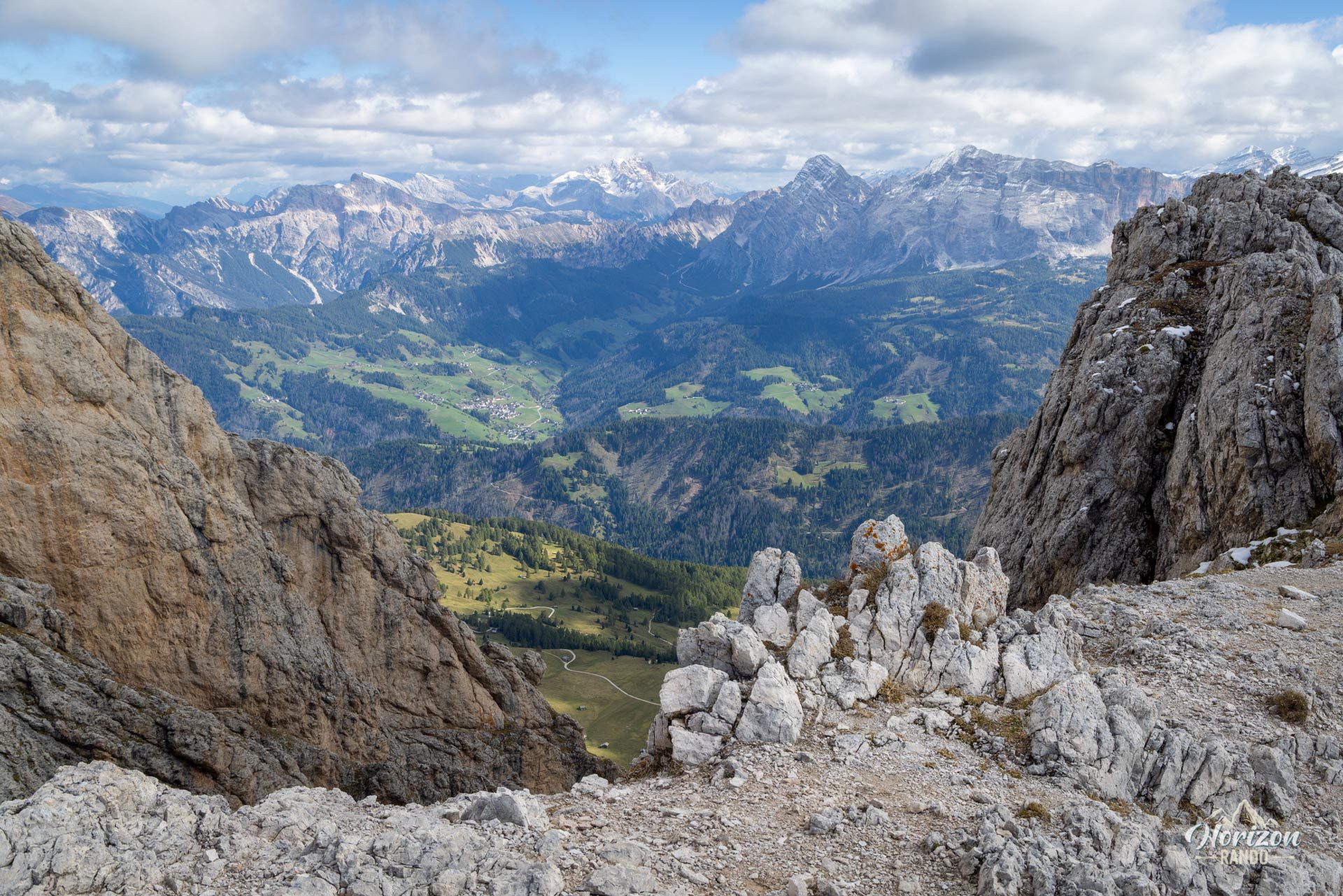
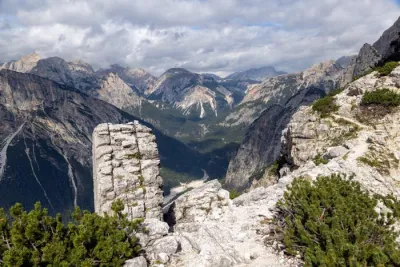
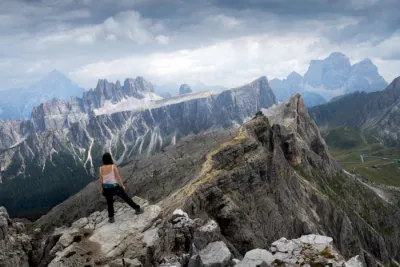
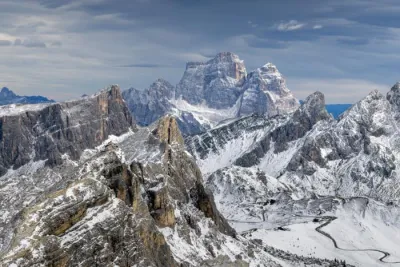
- The 360° panorama from the summit, which includes the Puez, Fanes, and Lagazuoi massifs and, to the north, the Austrian Alps.
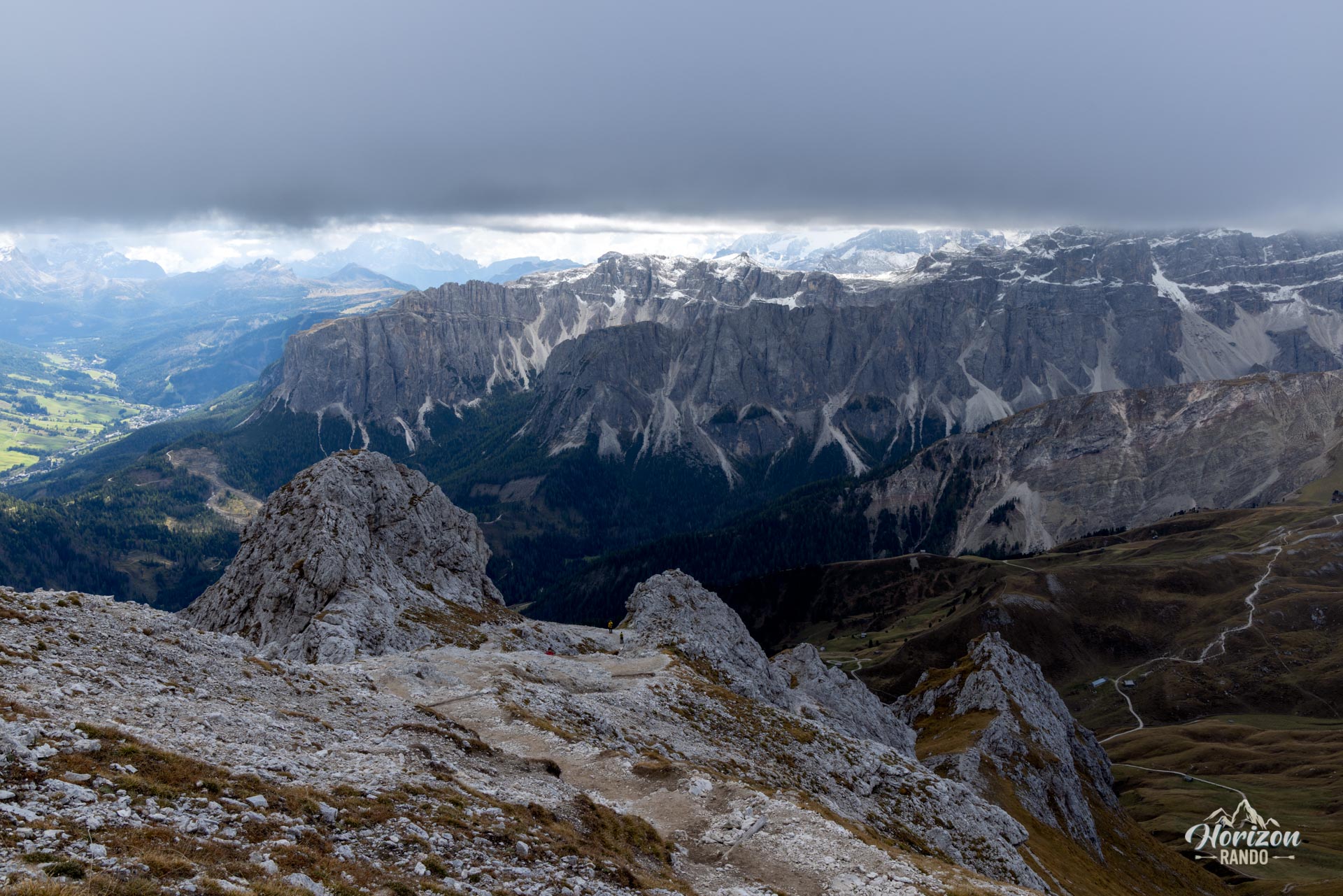
- The alpine pastures to the south and east of the massif that are dotted with wooden huts and offer unobstructed views of the northern Dolomites' main peaks.
- The three mountain huts (Munt de Fornella, Ütia Vaciara, and Ütia de Göma) along the loop, which are perfect for a gourmet break.
Practical information
Parking
There is a large parking lot at Passo delle Erbe, across from Ütia di Börz. Indicative price in 2025: €8 for a car and €18 for a camper. Valid between 7 a.m. and 2 p.m. After 2 p.m., parking is free. In high season (July–August), arrive early, as it fills up quickly.
Equipment
For the via ferrata, a helmet is strongly recommended due to the risk of falling rocks. A harness and lanyard are optional given the ease of the route but still recommended—you can never be too safe.
Best time to go
From early July to mid-October. Mountain huts generally open from mid-June to mid-October, depending on snow conditions.
Alternative route without via ferrata
To enjoy the same route without tackling the equipped section, see the Piccolo Sass de Putia Hiking Guide. The route is 90% identical, with only the final 100 meters of elevation gain being different
Photos
See all 21 photos →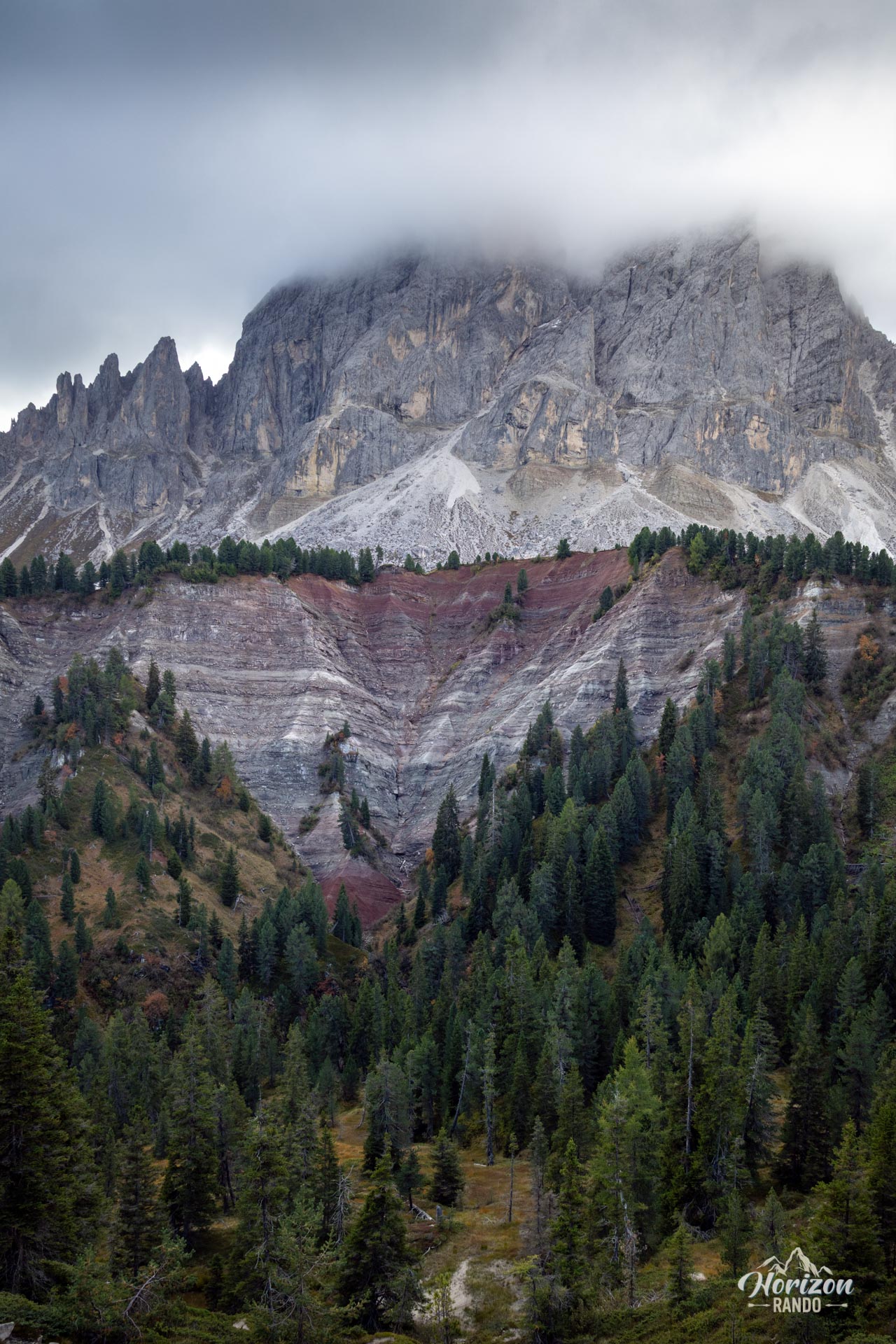
More hikes to do in the Dolomites
Nearby hikes
Printed from www.horizonrando.fr/en/hiking-dolomites/sass-de-putia-hike-and-via-ferrata/