
Via Ferrata Marino Bianchi
Key facts about the hike
- Via ferrata difficulty
- C Via ferrata grades, from A (easy) to E (extremely difficult): my via ferrata scale
- Difficult
- Duration
- 6h Estimated time, short breaks included (photos, water, snacks), picnic not included: how it is calculated
- Distance
- 11.8km
- out and back
- Elevation gain
- 1,090m
- Hiking difficulty
- Hard
- Type of route
- Out and back
- Maximum altitude
- 3,150 m
- Vertiginous Five levels, depending on how exposed the route is: the levels in detail
- Highly
- Marked
- Yes
- Popularity
- Low
- Start point
- 46.55137, 12.18941
- Activity
- Hiking and Via Ferrata
Hike overview
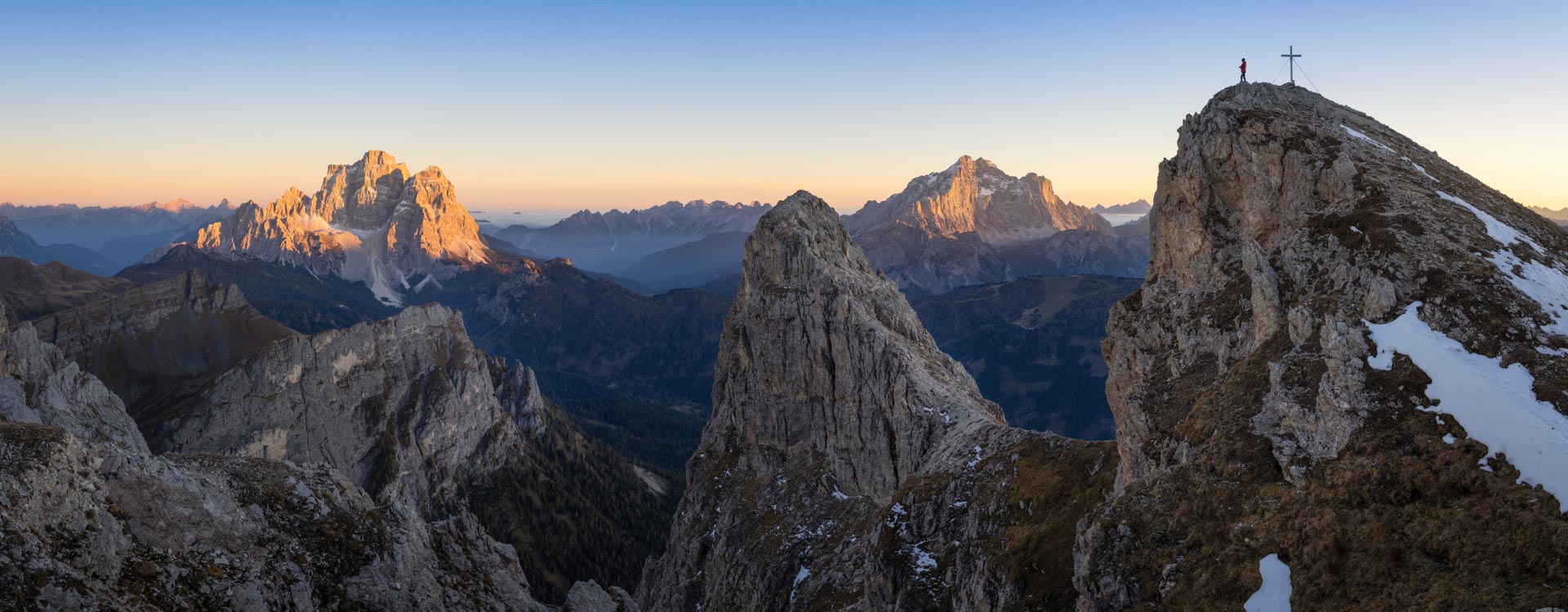
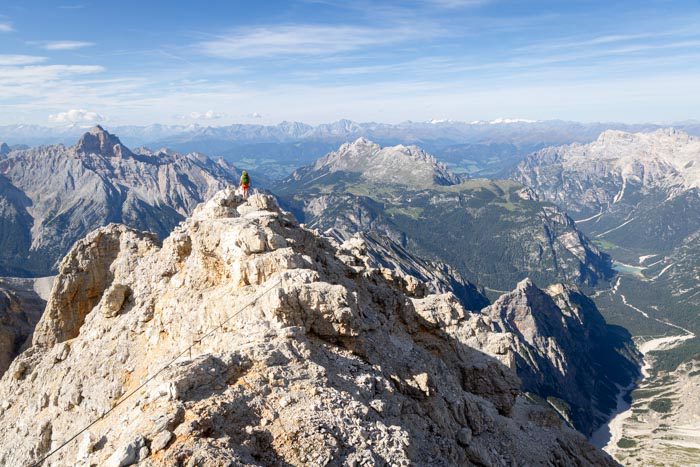
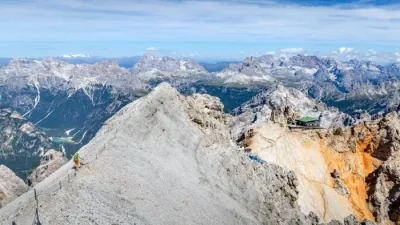
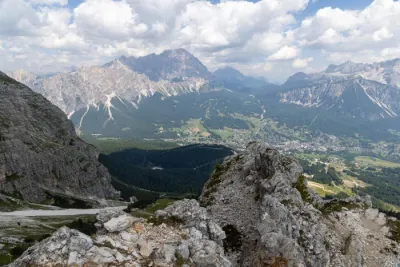
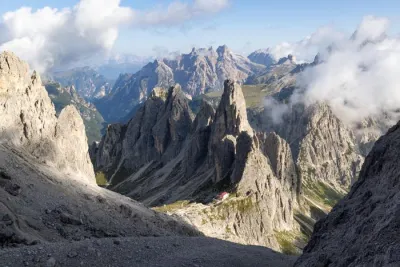
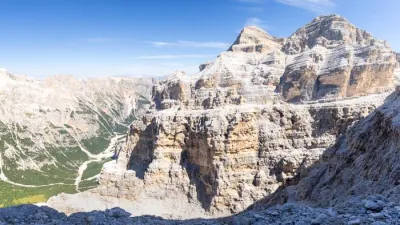
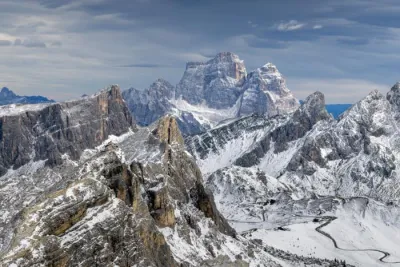
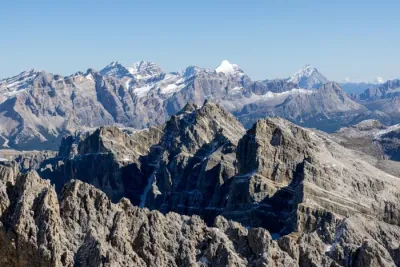
The via ferrata Marino Bianchi climbs to the 3,150-meter summit of Cristallo di Mezzo, one of the most beautiful peaks in the Cortina d'Ampezzo region. This short but exposed route mostly runs along the summit ridge and offers a 360° panorama of the Eastern Dolomites, including the Tofane, Sorapiss, Cristallo massif, and Tre Cime. The only drawback is the long approach through a gully of unstable loose rocks, which is particularly challenging on the way up.
Map and elevation profile of the hike
Via Ferrata Marino Bianchi
Description and difficulties of the hike
Since the closure of the chairlift that provided direct access to Rifugio Lorenzi in 2016, reaching the via ferrata requires some effort. There are two possible starting points: the top of the Rio Gere–Son Forca chairlift (the shortest route, but subject to operating hours), or Passo Tre Croci via trail no. 203 (300-meter elevation gain and an additional 1.5-hour walk). Since Passo Tre Croci is also the starting point for the popular Lago di Sorapis trail, it is advisable to arrive early to find parking.
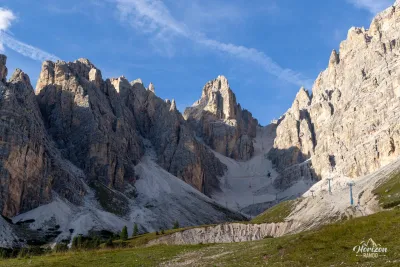
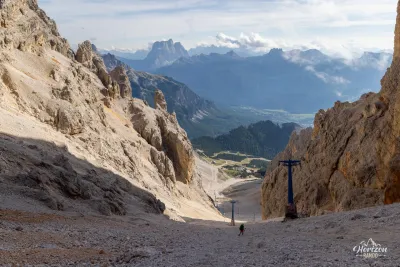
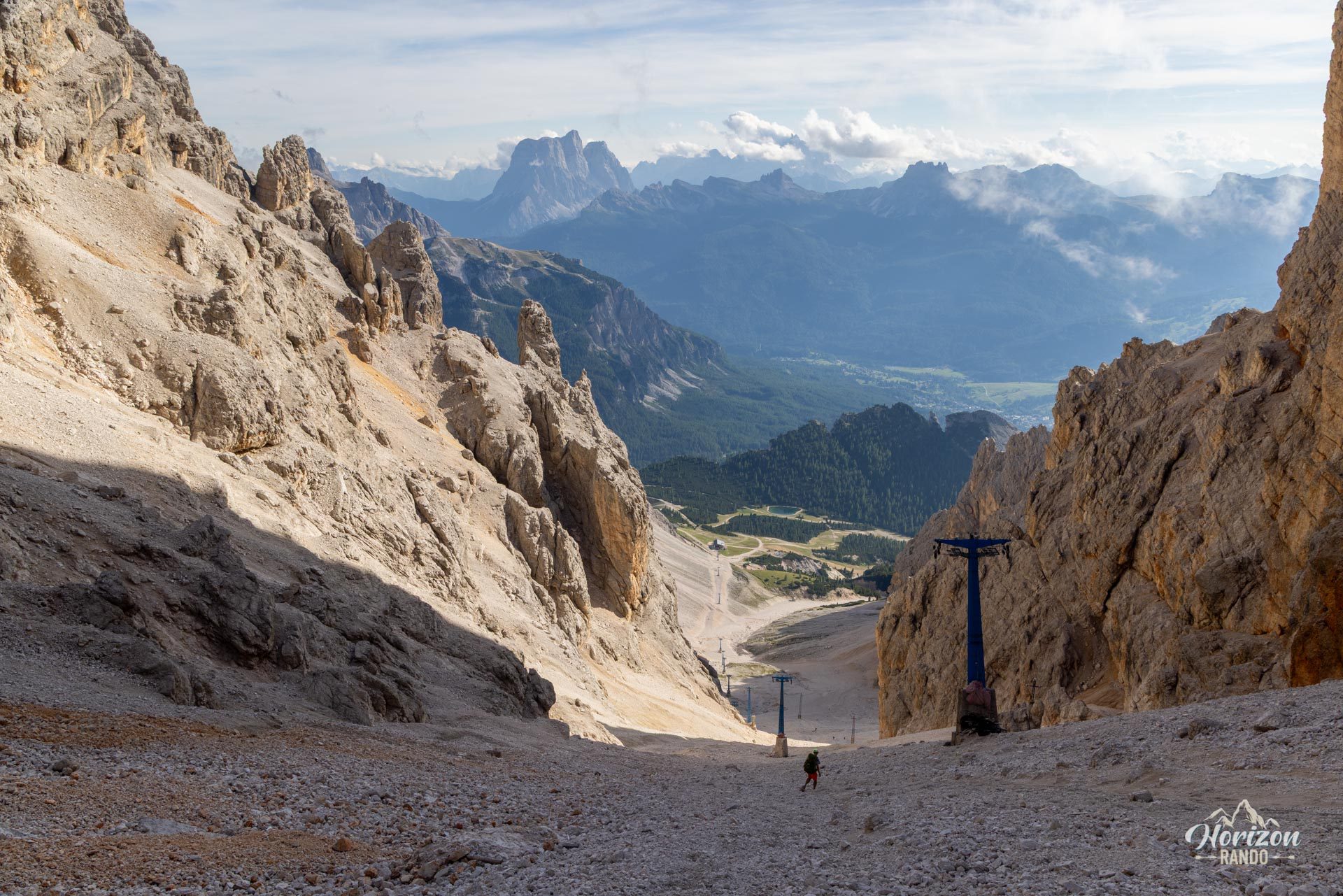
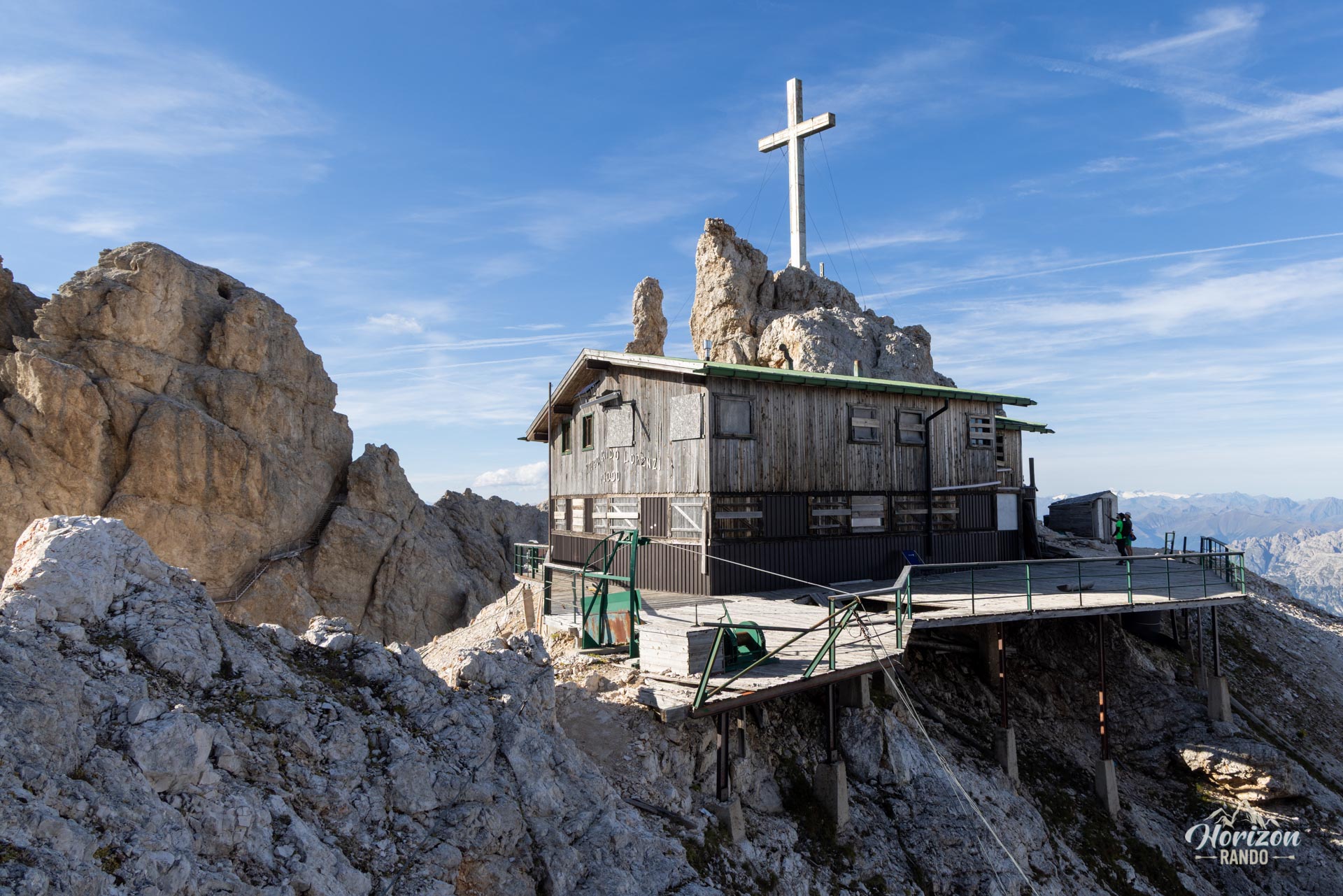
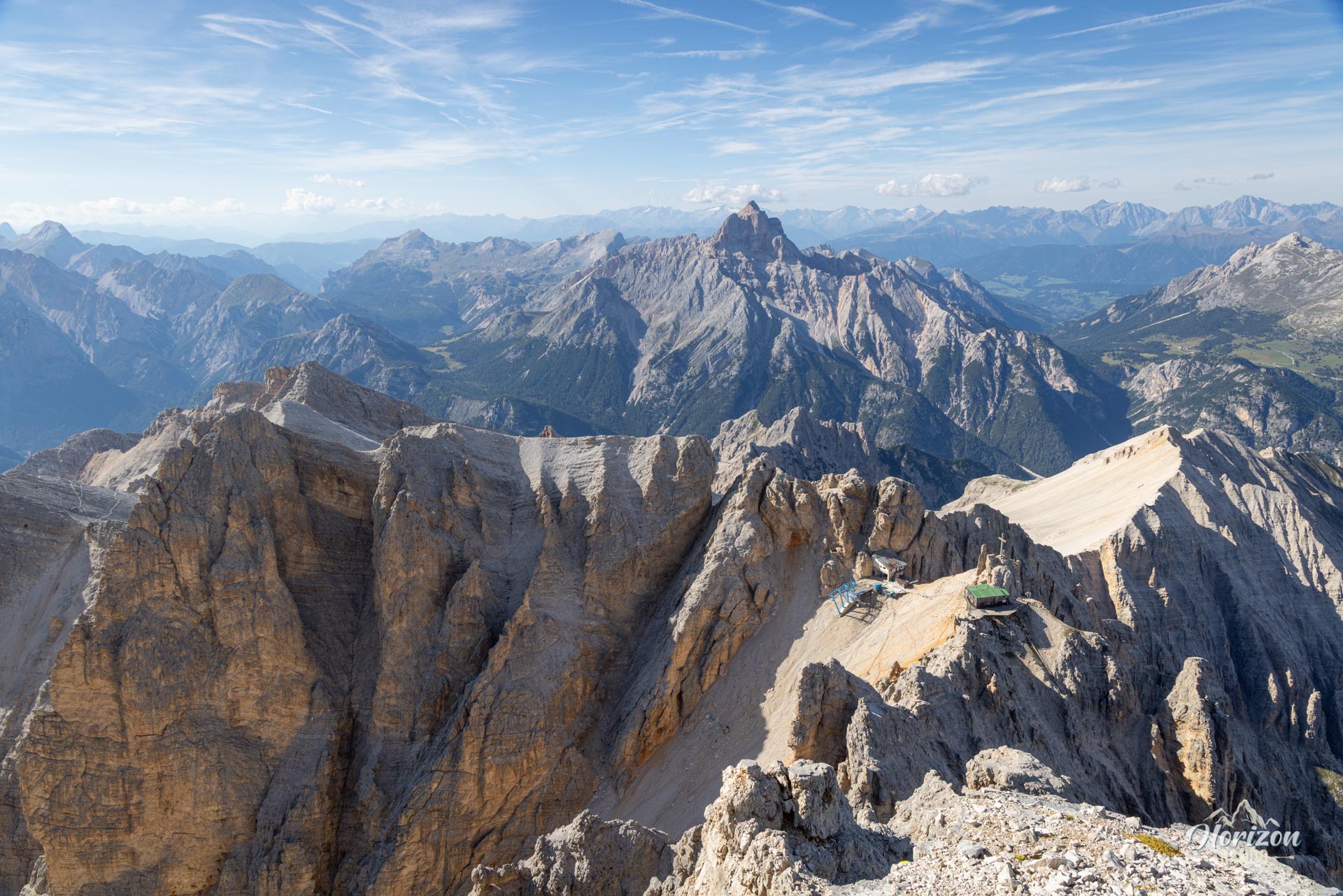
From Rifugio Son Forca (2,235 m), head toward Rifugio Lorenzi and Forcella Staunies. The trail climbs due north up the Staunies gully, following the poles of the old, disused chairlift. There is about 700 m of elevation gain on steep, unstable scree; you will sometimes slide back almost as much as you move forward. Sturdy trekking poles are highly recommended. This section is unavoidable on both the ascent and the descent, and it is undoubtedly the most challenging part of the route. Allow 1.5 to 2 hours to reach Forcella Staunies (2,906 m) and the ruins of Rifugio Lorenzi, abandoned since the chairlift closed.
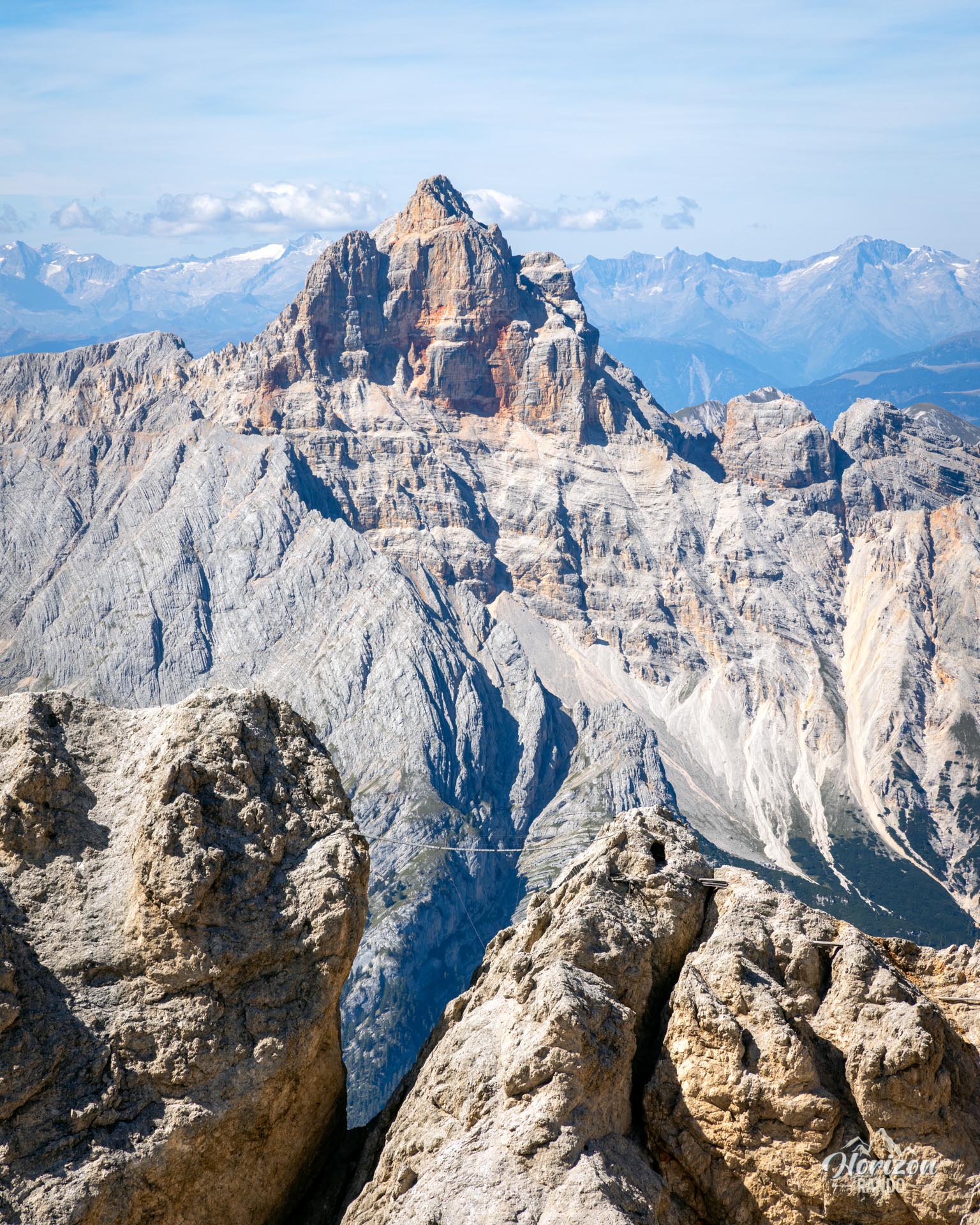
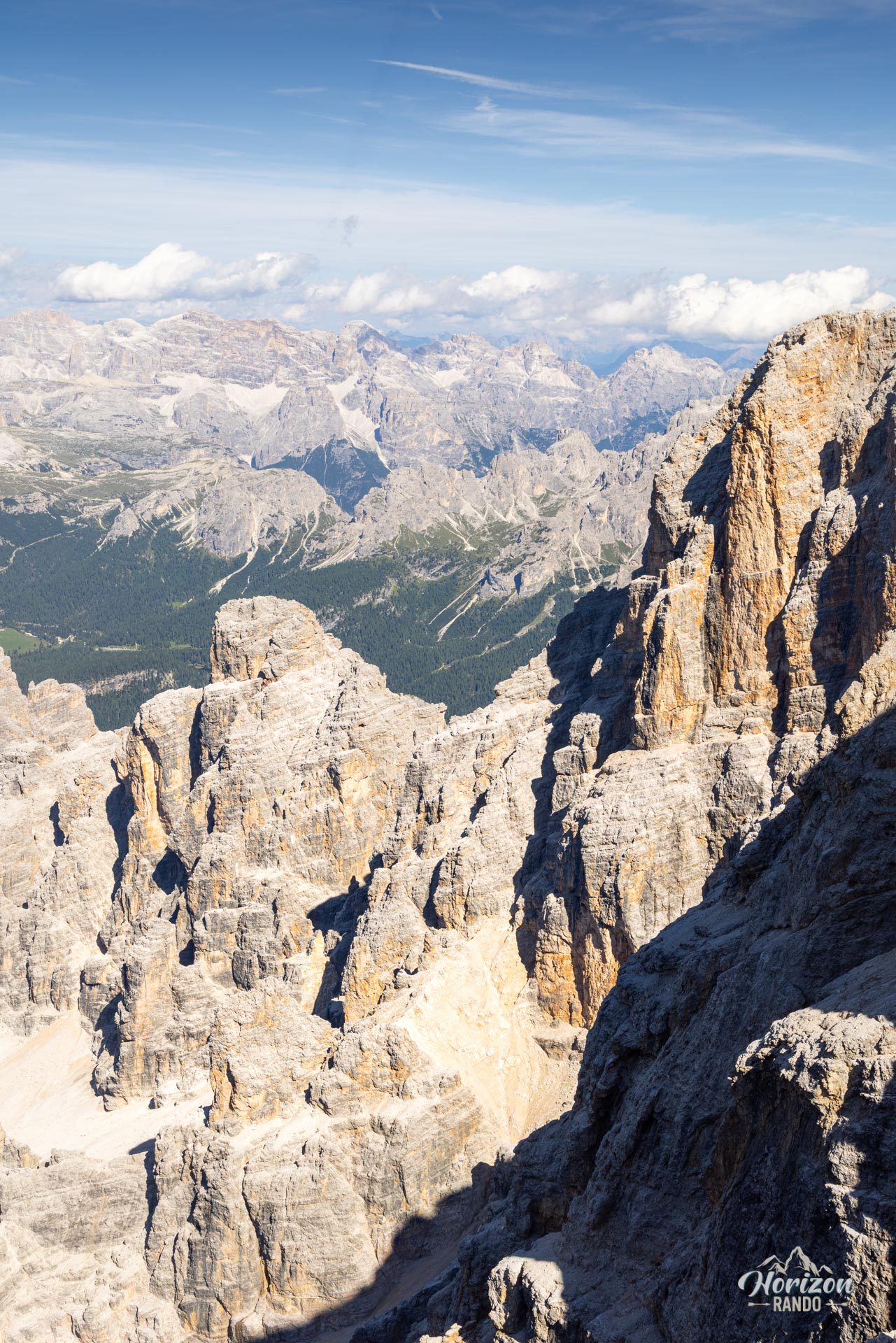
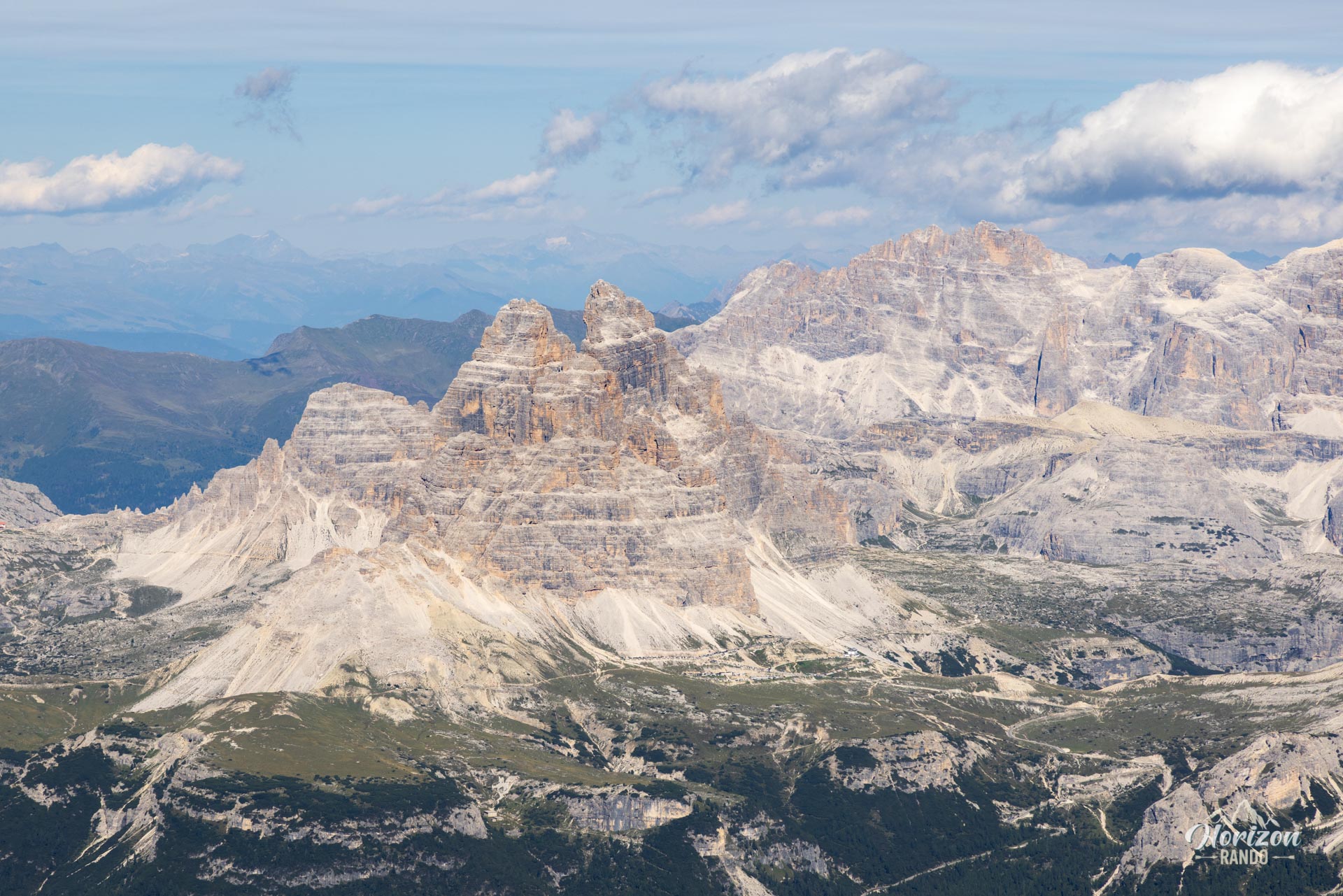
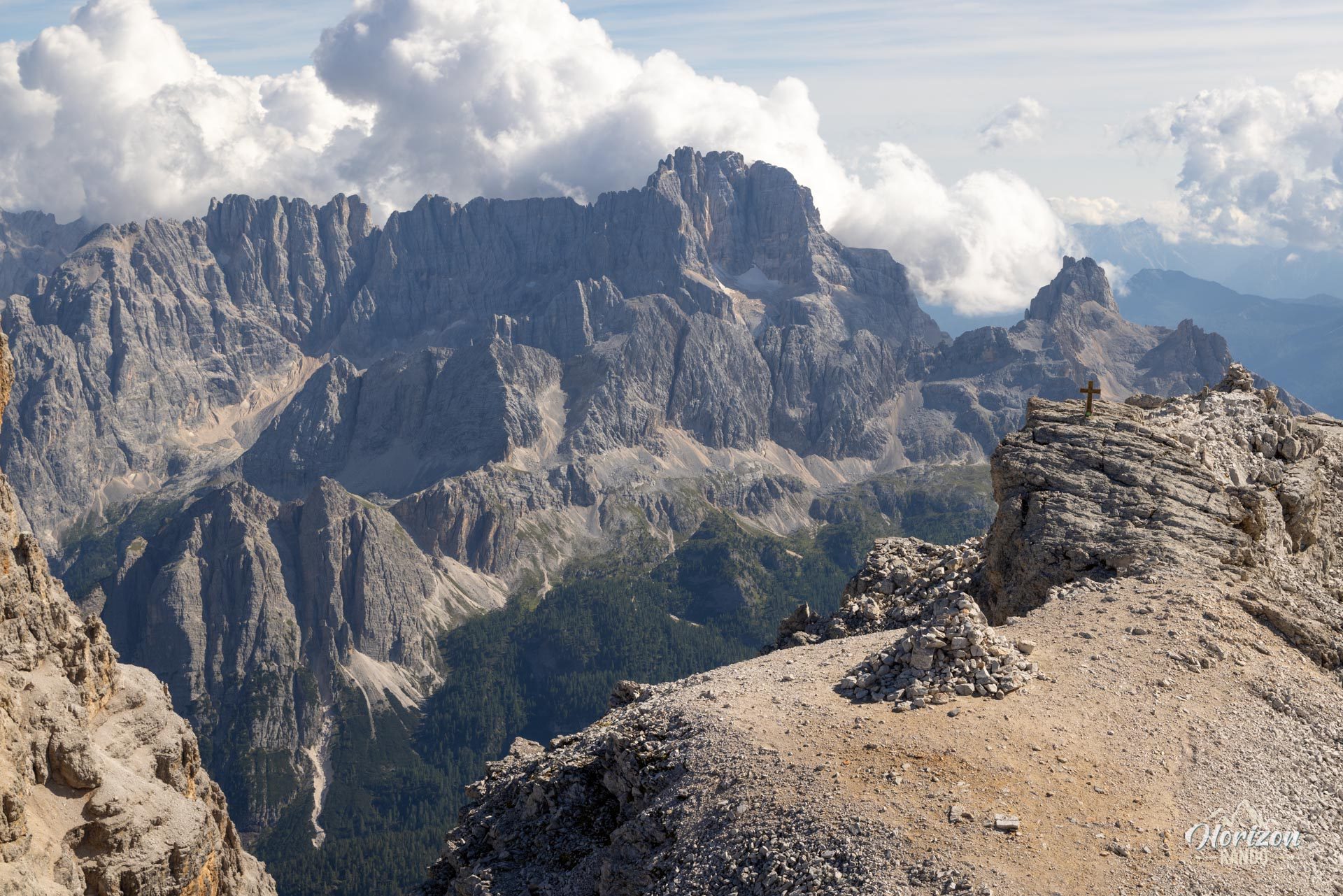
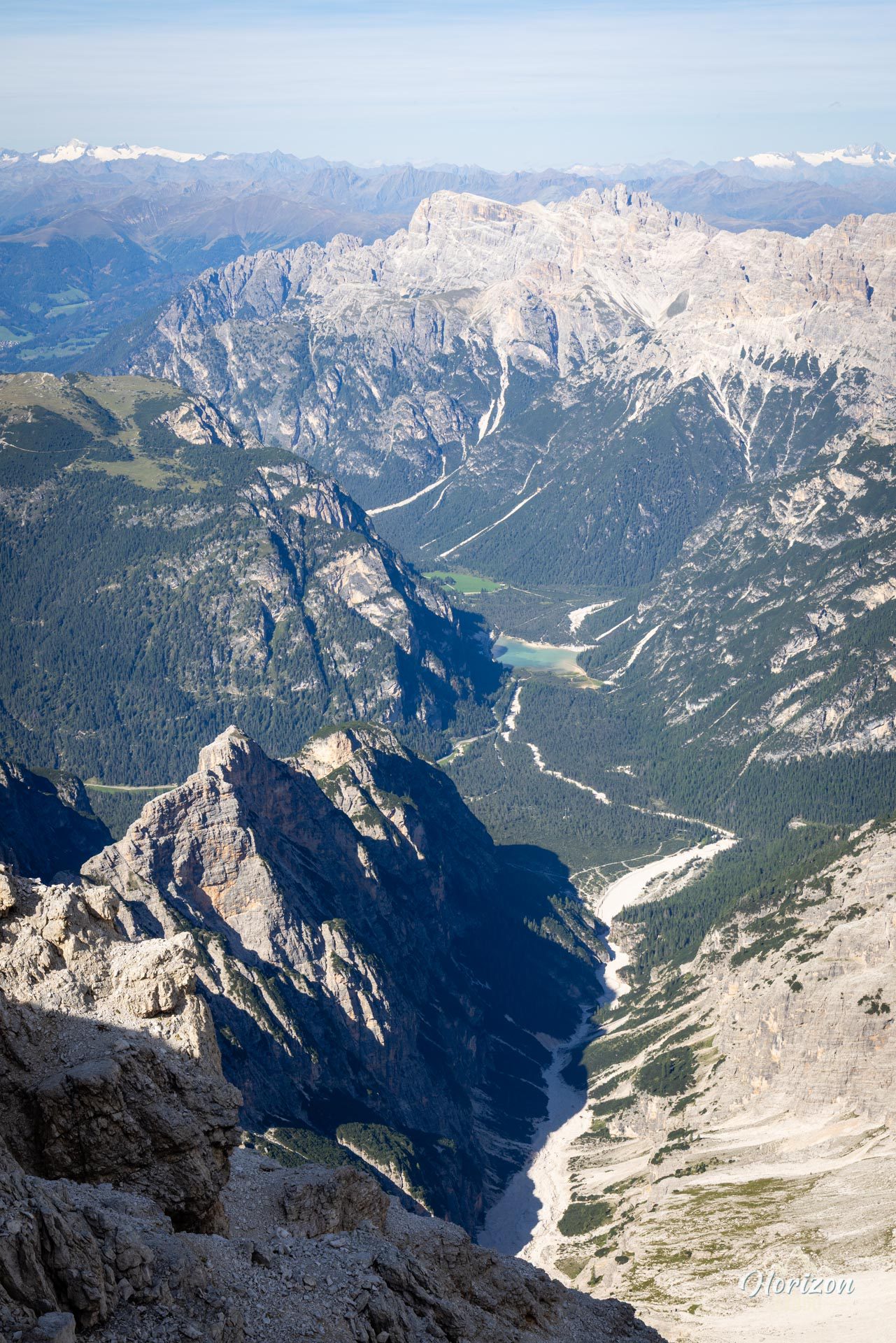
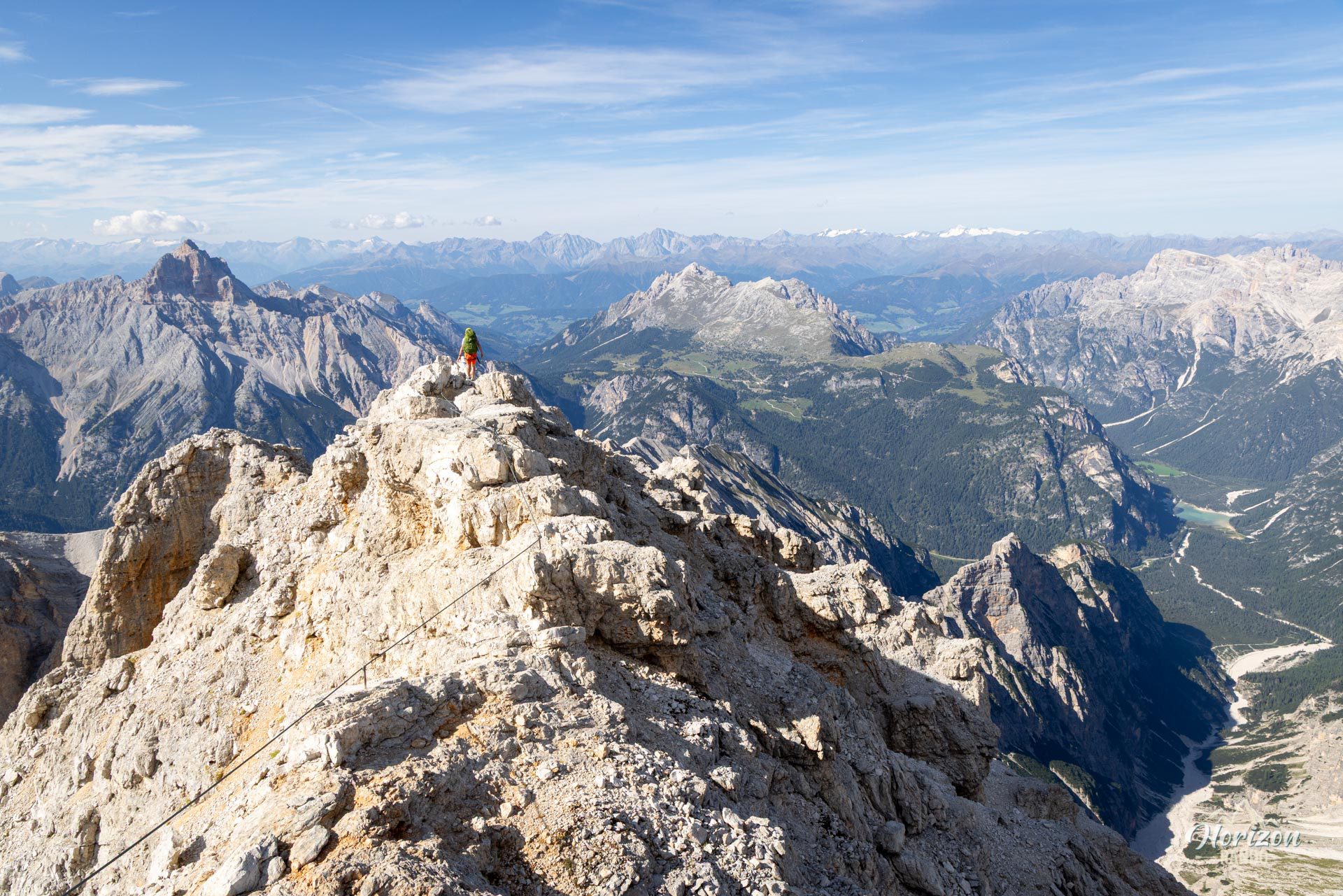
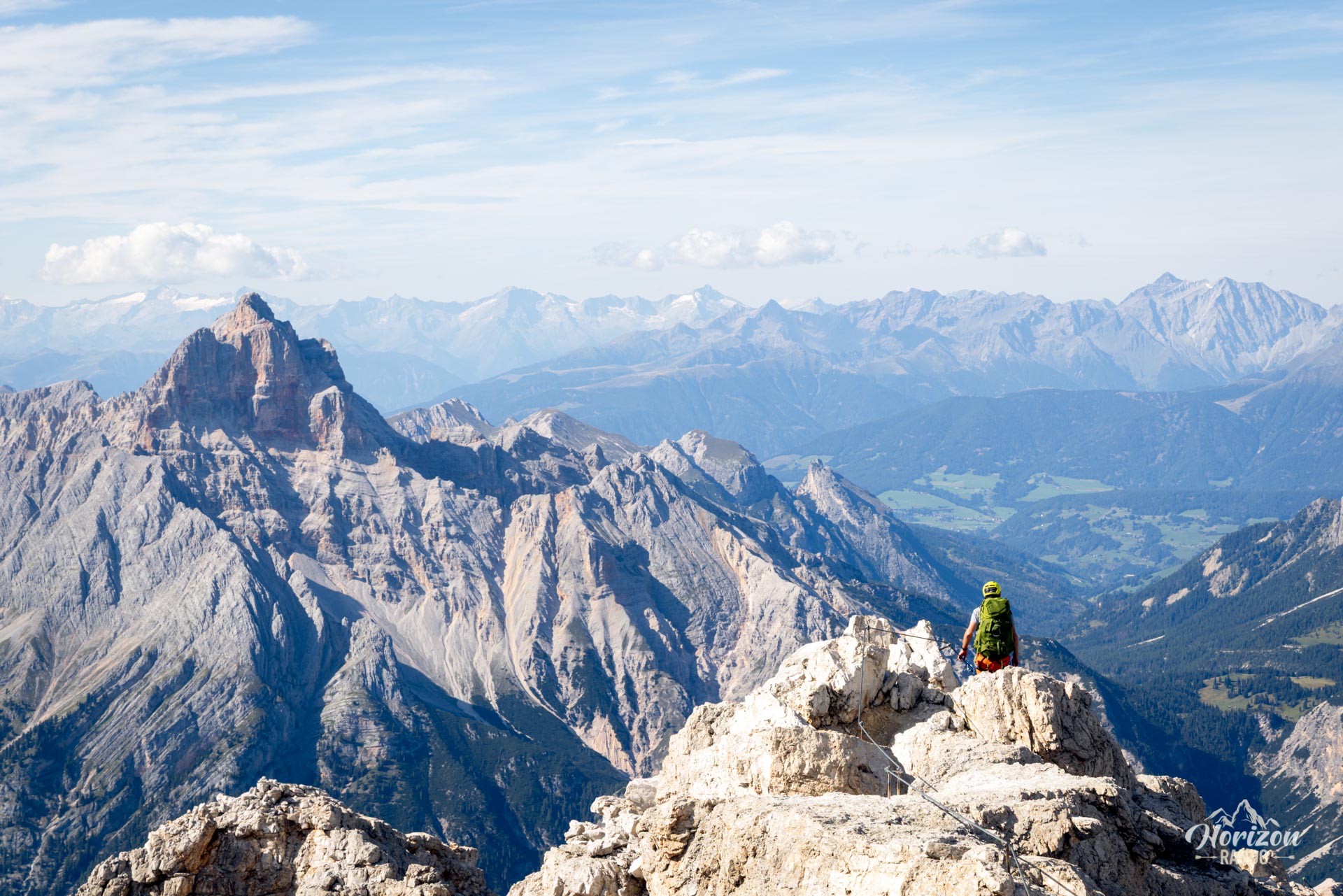
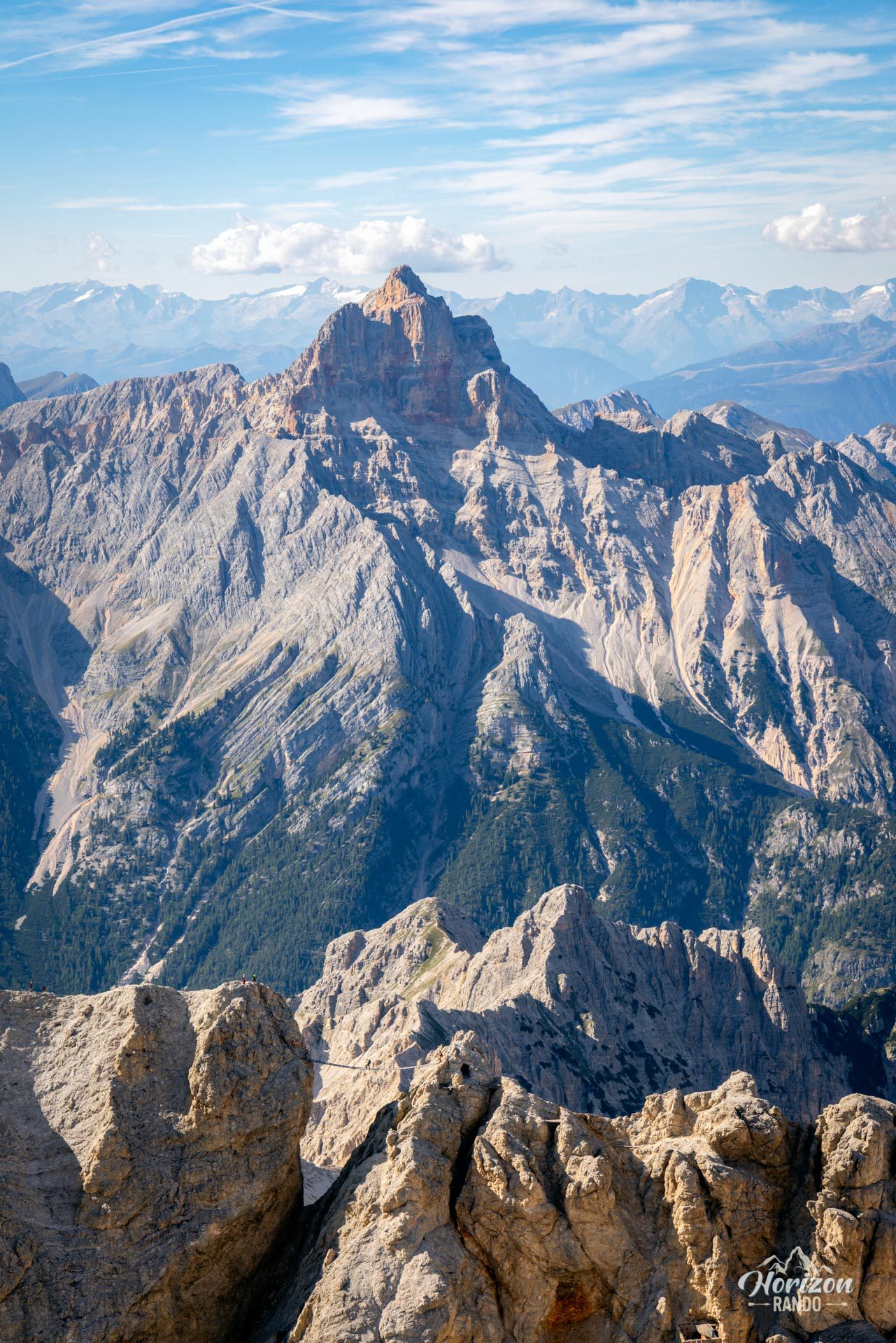
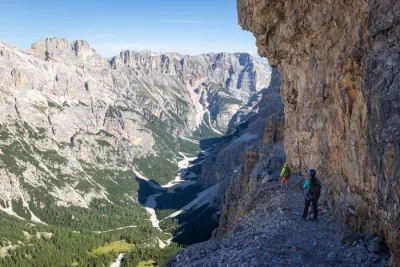
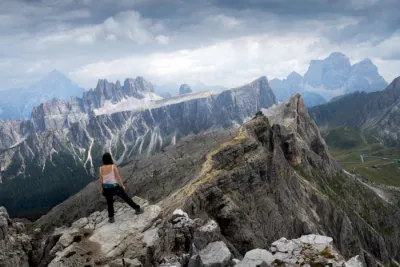
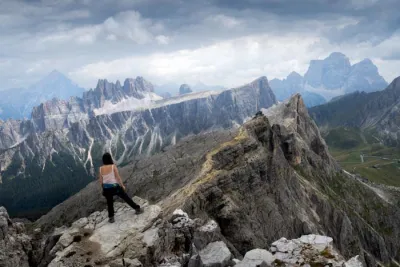
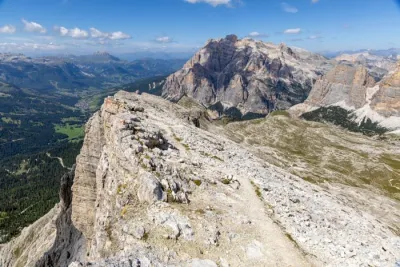
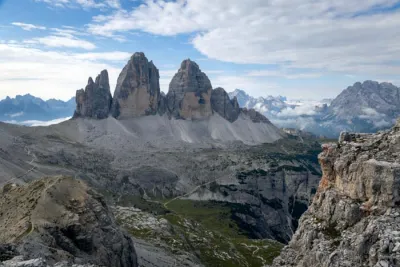
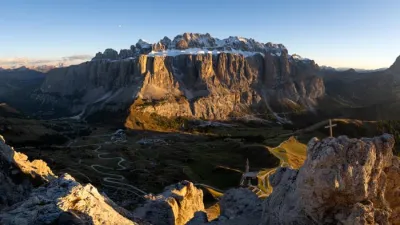
The via ferrata begins just behind the refuge. The first easy equipped rock steps quickly lead to the ridgeline. The route alternates between ledges, short vertical rock steps, and traverses, with a few technical passages that require arm strength. There is constant exposure along the ridge, so you must clip in at all times, even on the easy sections. At the 3,150-meter summit of Cristallo di Mezzo, a 360-degree panorama opens up, with views of Tofane to the west, Sorapiss to the south, Tre Cime to the east, and Lago di Landro to the north.
The descent follows the same route. Allow about three hours for the round trip from Rifugio Lorenzi. Next, descend the scree slope in the Staunies gully. It's quick and easy for hikers who are comfortable on this type of terrain and can take long strides and slide downhill with control. However, it's long and hard on the knees for others. At the bottom, you will reach Rifugio Son Forca, then the chairlift, and finally, the Rio Gere parking lot.
What you'll love
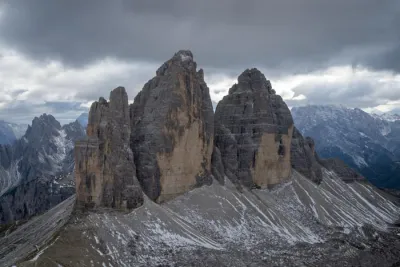
- The 360° panorama from Cristallo di Mezzo, which offers spectacular views of the Tofane, Sorapiss, Tre Cime, and Croda Rossa.
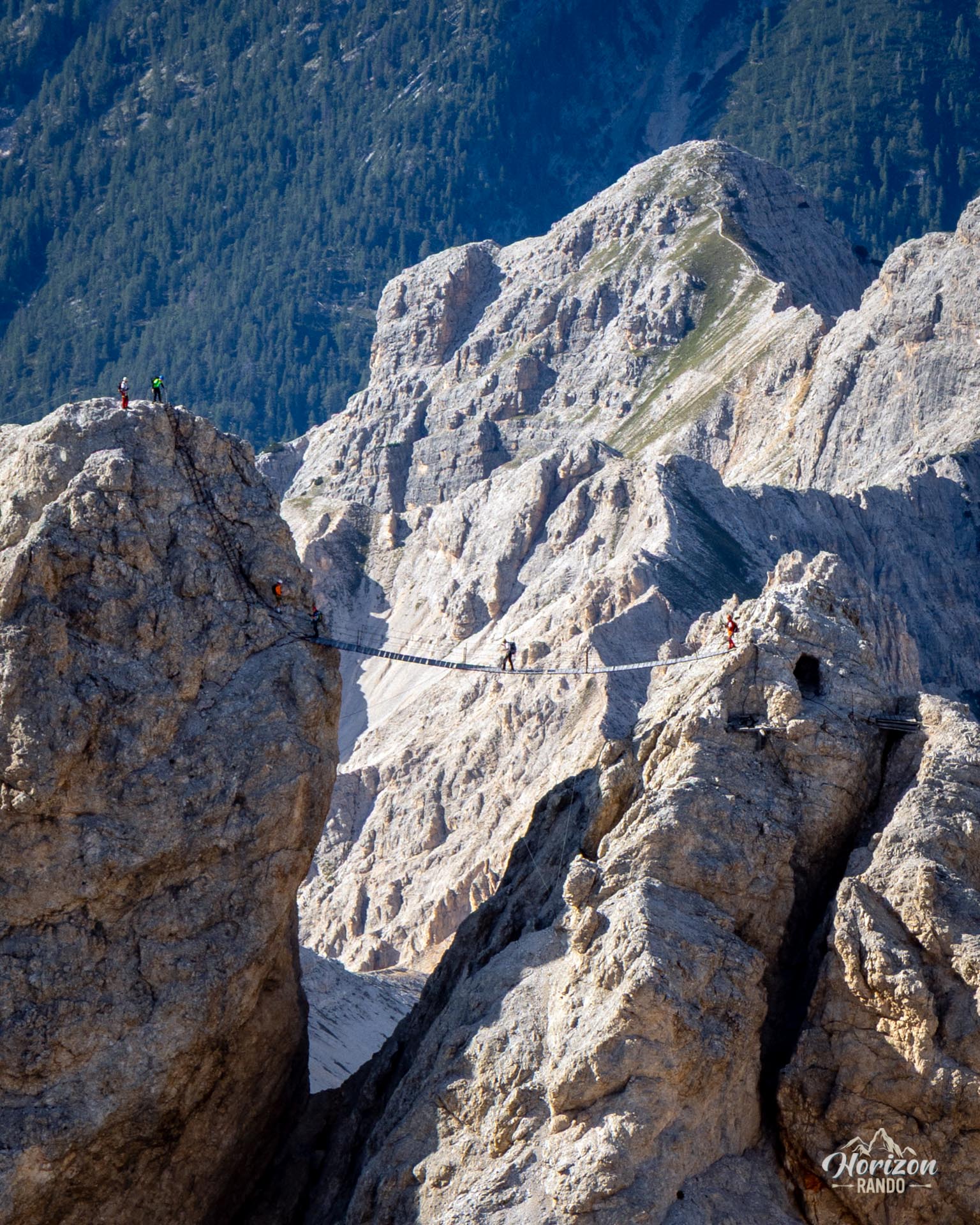
- The possible extension to the suspension bridge on the Ivano Dibona via ferrata, which is a round trip of about an hour from Forcella Staunies and highly recommended if you have extra time.
- The low footfall since the Staunies chairlift closed in 2016.
Practical information
Rio Gere – Son Forca chairlift
Generally open from 8:30 am to 4:30 pm, from mid-June to late September. Visit skipasscortina.com for hours and rates. There is a very large free parking lot at Rio Gere.
Equipment
A complete via ferrata kit is required (helmet, harness, and lanyard with an energy absorber). Trekking poles are highly recommended for ascending and descending the Staunies gully.
Best time to go
From early July to late September. Early in the season, snow and ice may remain in the Staunies gully and on the northern sections of the ridge.
Extension to Ponte Cristallo
It takes you to the famous suspension bridge on the Ivano Dibona via ferrata via a round trip of about one hour from Forcella Staunies. This is a highly recommended detour if the weather permits. You can find the GPS track on the Ivano Dibona via ferrata page.
Alternative route withouth chairlift
Start on foot from Passo Tre Croci via trail no. 203. Expect a 300-meter elevation gain and an additional 1.5-hour walk (Download the GPX track).
Photos
See all 13 photos →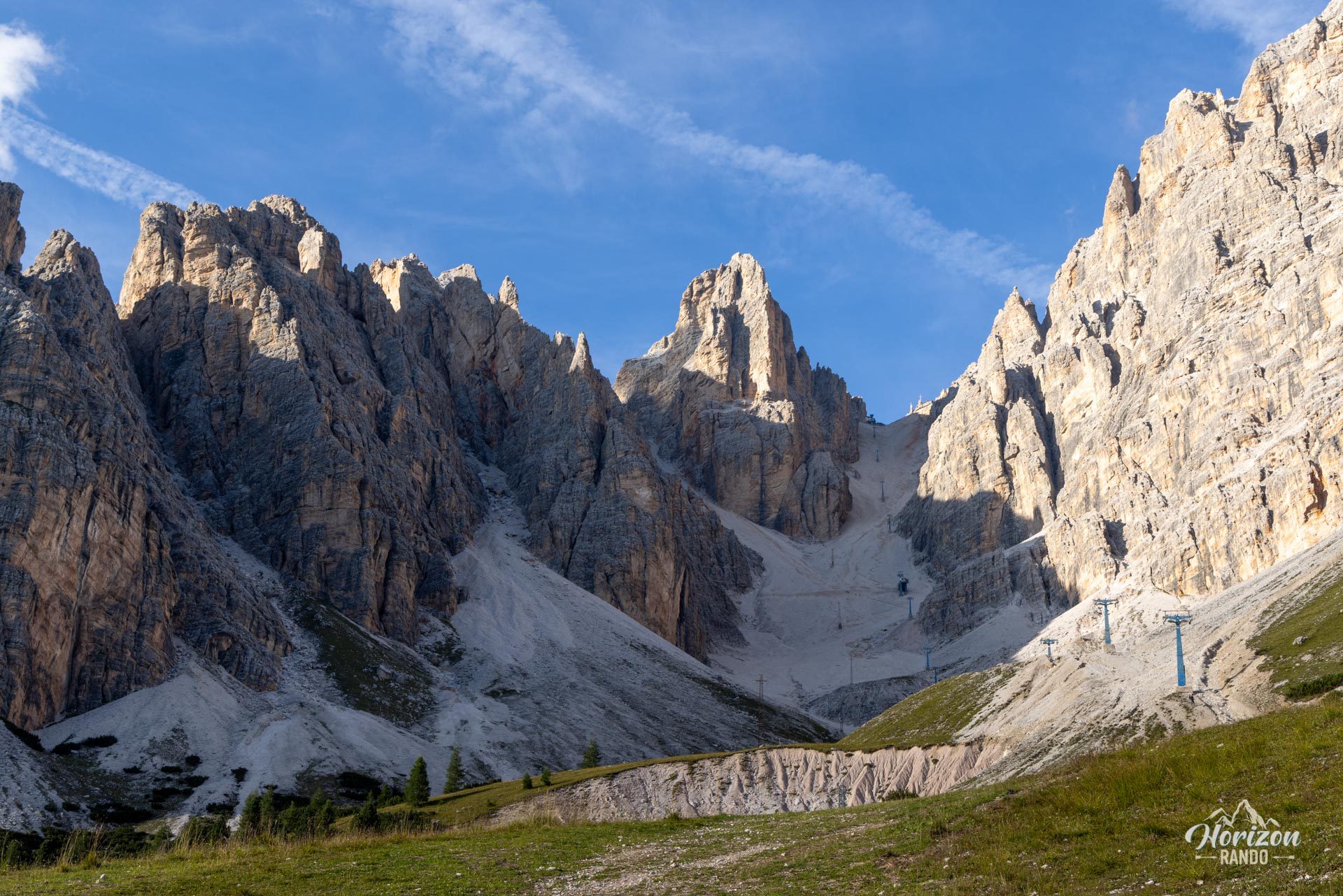
More hikes to do in the Dolomites
Nearby hikes
Printed from www.horizonrando.fr/en/hiking-dolomites/via-ferrata-marino-bianchi/